What gives a Mountain Star home its quiet, unmistakable presence? At this elevation above Avon, every design choice must honor the landscape, the climate, and the long views to Beaver Creek and the high ranges beyond. If you are considering a purchase or a renovation in Mountain Star, understanding the architecture and building logic will help you protect comfort and long-term value. In this guide, you will learn the exterior forms, interior programs, and performance details that define these estates, plus smart updates buyers appreciate. Let’s dive in.
Mountain Star setting and why it matters
Mountain Star is a private, low-density enclave set high above the valley with a focus on privacy, trails, and a natural aspen and meadow backdrop. The community’s design ethos centers on view orientation and year-round outdoor living, supported by an owners’ amenity called Ranch Central. You can see this intentional planning in the community overview, which highlights long-range vistas and sensitive site design.
Elevation shapes many choices. A dedicated water storage tank serving the neighborhood was installed around 9,380 feet, a reminder that lots sit well above the valley floor and require careful planning for water pressure, fire protection, and construction logistics. This infrastructure detail is documented in a regional report on the project’s installation and purpose at high altitude (new water tank background).
Exterior architecture that belongs here
Stone, timber, and sculpted massing
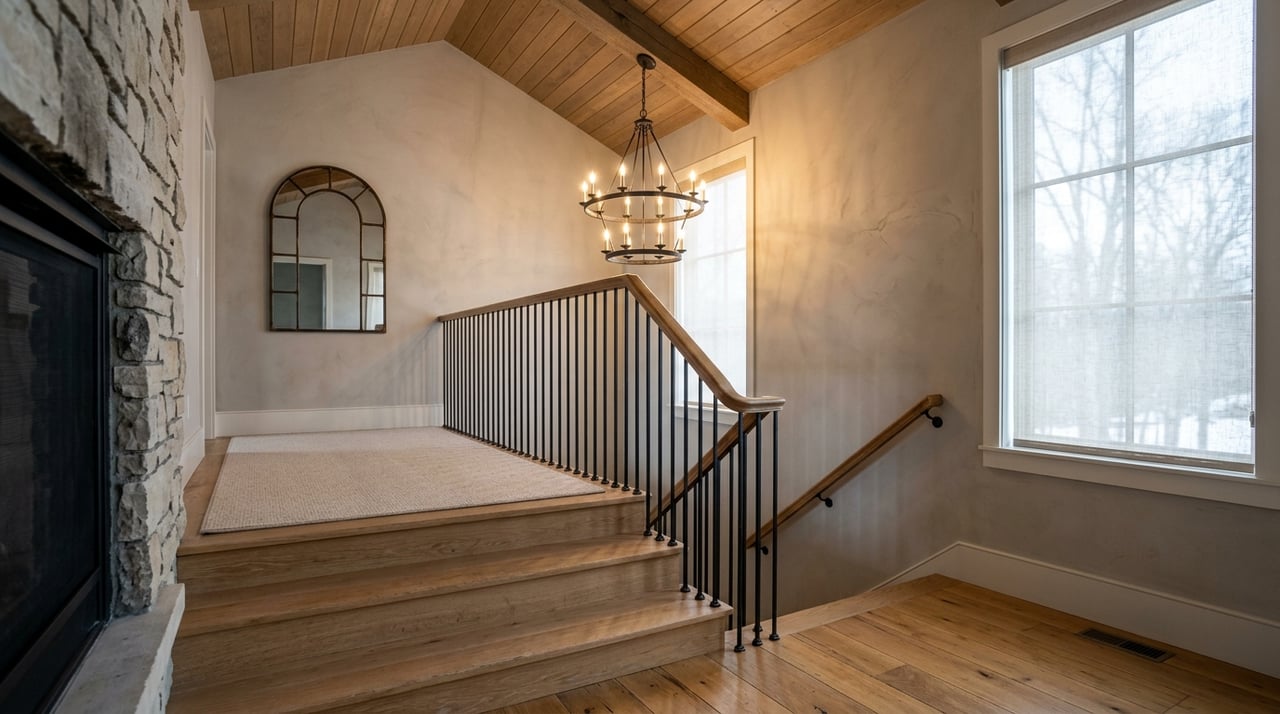
Mountain Star homes use authentic materials to anchor the architecture to the site. Expect substantial stone at bases, hearths, and garden walls, paired with heavy timber posts and beams for scale and warmth. These elements help an estate feel grounded while keeping silhouettes refined, as seen in regional custom-builder portfolios that feature Mountain Star projects (material and massing examples).
Walls of glass, deep eaves, and comfort
Large panes of glass frame ski-area and ridgeline views. Designers balance that openness with deep eaves, covered porches, and high-performance glazing for comfort and glare control. The result is a bright interior that still manages snow, UV, and solar gain in a high-alpine climate (portfolio context).
Rooflines that handle deep snow
Roof geometry is a performance feature here. Steeper gables and hips move snow, while careful valleys and sheltered entries improve safety and access. Many owners choose standing seam metal, which sheds snow efficiently when paired with engineered snow-retention devices and heated eaves to reduce ice-dam risk. Industry guidance explains how modern snow-shedding strategies compare and where retention makes sense (roof and snow-retention overview).
Cladding that looks rugged, lives easy
Original mountain palettes often leaned heavily on exposed wood. Today, you can preserve the look and cut maintenance with climate-engineered fiber-cement, natural stone, and metal accents. Fiber-cement products designed for cold, snowy zones, like the HZ5 line, resist freeze-thaw cycles and hold finishes better, which helps protect long-term curb appeal (cold-climate cladding options).
Wildfire-wise choices that blend in
At this elevation among aspen and meadow zones, wildfire resilience is part of good design. Class A roofing, noncombustible or treated cladding details, ember-screened vents, and hardscaped perimeters in the first 0 to 5 feet are recommended best practices. Defensible-space planning out to 30 feet improves protection while maintaining a natural look (defensible-space guidance).
Interior planning for high-alpine life
The great room as a view stage
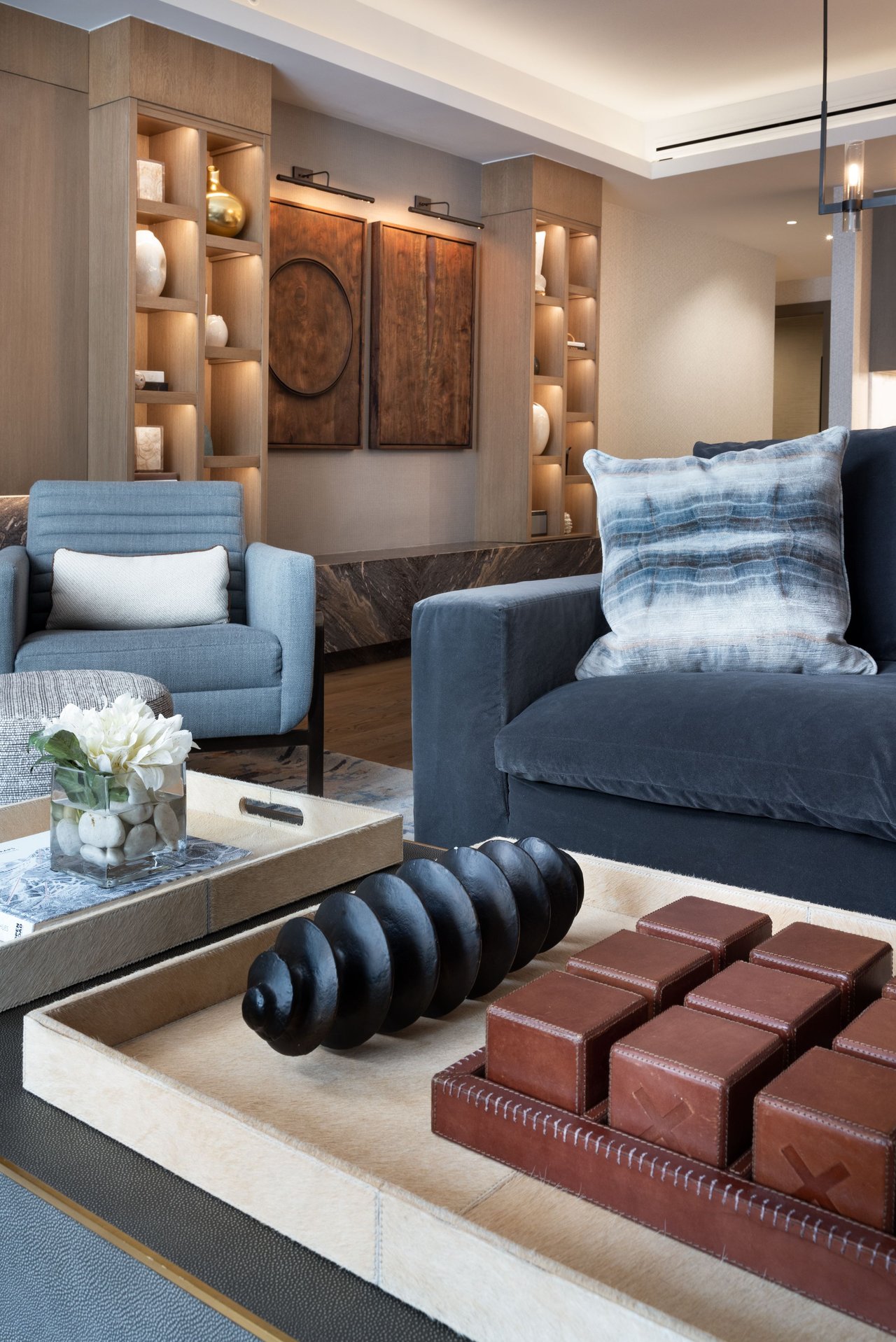
Most homes organize around a vaulted great room with a stone hearth and continuous sightlines to dining and kitchen. This layout supports casual gatherings after ski days and creates a central social core. The effect is generous yet simple, with materials and scale doing the work rather than ornament (mountain interior planning examples).
Ski and mudroom performance
Durable entries with benches, lockers, boot drying, and wet-gear management are core program elements. You will often see direct access from heated garages or covered porte-cochères to keep circulation clean and safe. Thoughtful storage and surfaces protect finishes and keep everyday living organized.
Year-round outdoor rooms
Covered patios, outdoor fireplaces, hot tubs, and wind-aware layouts extend the season at altitude. Large sliding or stacking doors, radiant or overhead heating, and retractable screens allow time outside in more months. Drainage, snow-shedding paths, and wind breaks are the quiet details that make these spaces work.
Performance details that protect value
Structure and snow loads at elevation
At this altitude, structural engineering is not a formality. Colorado design standards use site-specific snow and wind data to size framing and control drifts. County tables illustrate how ground snow loads rise with elevation, with values around 100 psf near 9,000 feet used for design conversions in some jurisdictions. Always confirm the adopted code edition and the site’s final design loads with your engineer and local officials (illustrative snow-load table).
Heat, comfort, and quiet operation
Radiant hydronic floors remain popular because they pair well with stone or tile and deliver even heat. Modern cold-climate air-source heat pumps are increasingly viable when selected and controlled correctly, often as part of a dual-fuel or hybrid approach. Federal, state, or utility incentives can support electrification choices, so it pays to review models and rebates early (heat pump overview).
Ventilation and moisture management
High-performance envelopes and large glass areas benefit from planned ventilation. ERV or HRV systems supply fresh air, control humidity, and reduce condensation risk on big view windows. The right balance of tight construction and mechanical ventilation protects your finishes and comfort (ventilation and envelope basics).
Water and fire flow realities
Given Mountain Star’s elevation, it is smart to confirm water pressure, hydrant coverage, and fire-flow capacity at the start of any project. The community’s dedicated storage tank was installed to improve delivery and protection, which underscores why early coordination with designers and utility contacts matters (infrastructure context).
Modernizing a legacy Mountain Star home
If you are refreshing a classic property, you can keep the character while lowering maintenance and improving comfort. Prioritize updates that respect the architecture and the site.
- Roofing: Replace worn shakes or shingles with standing seam metal and add snow guards where needed to control shedding and protect entries (snow-shedding guidance).
- Cladding: Re-clad exposed wood with fiber-cement designed for cold climates to reduce repainting and resist freeze-thaw cycles (HZ5 overview).
- Glazing: Upgrade older double-pane assemblies to well-specified triple-pane low-E units to reduce cold spots and condensation while preserving view glass area (triple-pane benefits).
- Mechanical systems: Modernize with high-efficiency condensing boilers, cold-climate heat pumps, updated radiant controls, and ERV or HRV ventilation for healthier air and better energy use (system options).
- Firewise details: Add ember-resistant vents, noncombustible details at lower walls and under cantilevers, and hardscape the first 0 to 5 feet around the home to support defensible-space principles (defensible-space basics).
How to plan with confidence
A clear plan helps you navigate approvals and select the right materials from day one.
- Request the Mountain Star Association architectural and design guidelines and confirm ARC procedures before you sketch exterior changes. The community case study offers context on design intent.
- Verify site elevation and ask your structural engineer to convert ground snow loads to roof design loads using the jurisdiction’s adopted code and maps (snow-load reference).
- Confirm water pressure, hydrant coverage, and fire-flow needs early, based on the high-elevation infrastructure serving the neighborhood (infrastructure overview).
- Review material palettes and massing with local architects and builders who have completed Mountain Star work for examples that balance stone, timber, and glazing (regional portfolio).
- Check local utility incentives that may support electrification and efficiency choices, including cold-climate heat pumps and controls (Holy Cross Energy rebates).
If you are exploring a purchase or planning a renovation, a strategic view of architecture, systems, and approvals will help you buy and build with confidence. For discreet guidance tailored to your goals in Mountain Star and the Vail Valley, connect with Dana Gumber to schedule a private consultation.
FAQs
What architectural features define Mountain Star homes?
- Authentic materials like stone and heavy timber, view-focused massing, generous glazing with deep eaves, and snow-ready rooflines are the hallmarks of the neighborhood’s design language (examples).
How does high elevation influence construction in Mountain Star?
- Higher ground snow loads and alpine conditions drive structural sizing, roof geometry, and envelope choices, so engineers use site-specific data and local code to set design loads (snow-load reference).
Which exterior materials reduce maintenance without losing character?
- Climate-engineered fiber-cement cladding, standing seam metal roofs with planned snow retention, and natural stone accents lower upkeep while preserving the classic mountain look (HZ5 cladding, roof guidance).
Are triple-pane windows worth it for a Mountain Star home?
- Upgrading to well-specified triple-pane low-E glazing can cut perimeter cold spots, reduce condensation, and improve comfort in a heating-dominated climate, which many buyers value (triple-pane guide).
What heating and ventilation strategies work best at this altitude?
- Radiant hydronic floors for even comfort, cold-climate heat pumps where appropriate, and ERV or HRV ventilation for fresh air and moisture control create a comfortable, efficient interior (system overview).