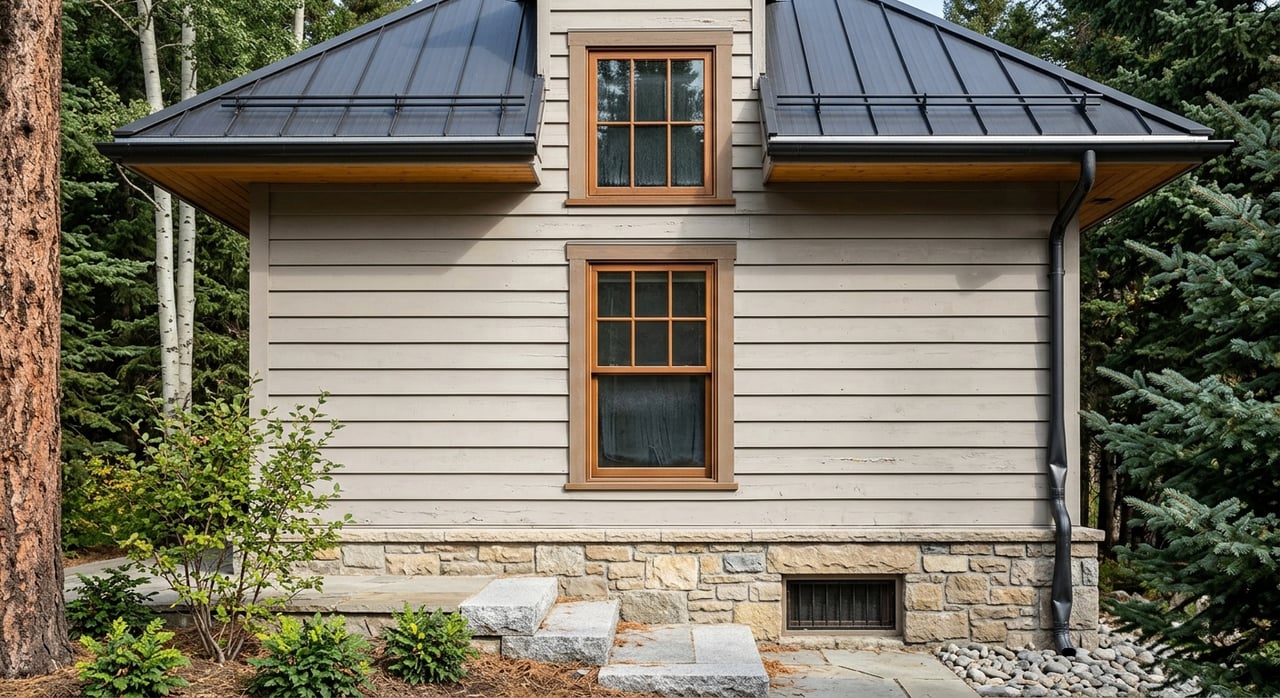
If you are drawn to an older home in Minturn or Red Cliff, you are probably seeing the same thing many buyers love right away: character you cannot easily recreate. What makes these homes appealing, though, can also make renovation more complex, especially in a high-elevation mountain setting where snow, cold, and exterior durability shape daily life. If you are thinking about buying with renovation in mind, this guide will help you focus on the right questions, the right order of work, and the local factors that matter most. Let’s dive in.
Why older homes here deserve a different lens
Minturn and Red Cliff are not typical neighborhoods with aging housing stock. Minturn was incorporated in 1904 as a railroad crossroads during Colorado’s mining era, and Red Cliff dates to 1879 as the oldest town in Eagle County and the first permanent settlement on the Eagle River. That history helps explain why older homes here often carry a distinct sense of place.
These towns also sit at high elevation, with Minturn at 7,861 feet and Red Cliff at 8,750 feet. In practical terms, that means snow load, cold temperatures, freeze-thaw cycles, wind, and access logistics are not occasional concerns. They are part of the baseline reality of owning and renovating a home here.
What kinds of older homes you may find
In Minturn and Red Cliff, older homes are most reasonably understood as late-19th- and early-20th-century mountain houses, rail-town cottages, and modest period homes. Based on the era, some may reflect Victorian influences such as Queen Anne details, while others may align more closely with bungalow or Craftsman-era forms from about 1900 to 1930. The exact mix varies by property, so it is best to treat style as part of the home’s story, not a guarantee of layout or condition.
If you are touring homes from these eras, expect interiors that may feel more compact and more segmented than newer mountain construction. You may notice smaller rooms, porches, tighter circulation, and floorplans that were designed long before open-concept living became common. That can be charming, but it also affects how realistic your renovation goals may be.
Start with the building envelope
When buyers picture a renovation, they often start with kitchens, baths, and finishes. In Minturn and Red Cliff, the smarter first step is usually the building envelope, meaning the roof, insulation, air sealing, windows, vents, and exterior materials that protect the home from the climate.
Energy guidance for existing homes points to air sealing and insulation as some of the most cost-effective ways to improve comfort and efficiency. A home energy assessment can help identify problem areas, and attic air sealing paired with insulation may also help reduce ice dams. In a cold northern climate, window performance also matters, and lower U-factor windows are generally better suited to these conditions.
That does not mean cosmetic work has no value. It means a beautiful interior will not solve cold drafts, snow-related wear, or heat loss if the house shell has been neglected. For many older homes here, envelope work is what protects both comfort and long-term investment.
Snow, wildfire, and exterior durability matter
High-elevation renovation is about more than keeping a house warm. It is also about how the exterior performs through heavy weather and seasonal change. Snow accumulation, shedding, and freeze-thaw stress can affect roofs, entrances, windows, siding, and walkways.
Minturn’s local design standards specifically emphasize roof pitch and form, snow shedding, protection at entrances, and avoiding overly large expanses of glass. The town also highlights materials commonly found in the area, such as metal or shingle roofing. For a buyer, that means exterior renovation choices are not just aesthetic decisions. They also affect safety, performance, and often local review.
Wildfire exposure is another practical issue. Minturn’s wildfire planning recommends hardening the home ignition zone with lower-flammability or nonflammable roofs, siding, windows, decks, porches, and vents. If you are budgeting for an older home renovation, it helps to think of original-looking materials and modern performance as a package, not as competing goals.
Renovation sequencing that makes sense
For many buyers, the most effective way to plan a project is to prioritize by risk and disruption. In a market like Minturn or Red Cliff, that often means handling the home’s protective systems before moving into design details.
A practical renovation sequence may look like this:
- Roof and roof form
- Windows and exterior doors
- Insulation and air sealing
- Vents and weather-sensitive exterior components
- Siding, porches, decks, and other exterior materials
- Interior layout and cosmetic updates
This is not a formal town rule. It is a logical way to approach older mountain homes based on energy guidance, local snow considerations, wildfire-hardening goals, and the realities of permit review.
Understand Minturn’s historic review process
If you are buying in Minturn, you should not assume that renovation is simply a matter of hiring a contractor and choosing finishes. Exterior work may involve design review, historic considerations, building permits, inspections, or all three.
Minturn’s historic preservation framework generally uses 75 years as the threshold for a property or district to be considered for designation. The Town’s Design Guidelines apply to any exterior alteration, and historically designated properties also follow the Secretary of the Interior’s Standards. That makes exterior changes a more layered conversation than many buyers expect.
There is also an important distinction between interior and exterior work. Minturn states that the Historic Preservation Commission does not review interiors. So if you are planning to update the inside of an older home, your design conversation may be very different from your exterior approval path.
For non-designated properties older than 75 years, an exterior alteration application triggers a 14-day posting period. If the property is not nominated during that process, the posting period does not repeat for five years. This is one reason timing matters when you are building a purchase strategy around future renovation.
Permits and inspections are part of the budget
Minturn’s building department notes that permits or plan reviews may be required before remodels begin. Building inspections are contracted through Shums Coda Associates, while electrical inspections and permitting are handled by the State of Colorado. The town also provides contractor licensing requirements and notes that fines are doubled for noncompliance.
For buyers, the takeaway is simple: renovation risk is not just construction risk. It is also timeline risk, review risk, and permit risk. Before you close on an older home, it is wise to understand what approvals may be needed for the work you have in mind.
Budget for the hidden costs first
Older homes can be rewarding, but they rarely reveal every cost on day one. If you are buying with a renovation plan, your budget should account for discovery once walls, roofs, or exterior materials are opened up. Even when a home looks well kept, the true condition of insulation, air sealing, vents, and older exterior assemblies may not be obvious during a casual showing.
A good working budget usually includes:
- Envelope improvements
- Permit and review costs
- Inspection coordination
- Exterior material upgrades tied to snow and wildfire performance
- Contingency funds for condition issues discovered during work
- Interior updates after the home’s protective systems are addressed
This kind of budgeting tends to feel less glamorous upfront, but it often leads to a more durable result and fewer expensive surprises later.
Historic incentives may be worth exploring
If a home is historic or may become eligible for designation, renovation dollars may not all be purely out of pocket. Colorado’s Preservation of Historic Structures credit is jointly administered by the Colorado Office of Economic Development and International Trade and History Colorado. Minturn also notes that state and federal programs may help with upkeep or renovation for historic structures.
That does not mean every project will qualify. It does mean buyers should check potential eligibility early, especially before deciding that a preservation-sensitive renovation is financially out of reach.
Questions to ask before you buy
When you walk through an older Minturn or Red Cliff home, try to look past surface finishes. A more useful approach is to evaluate how the house meets mountain conditions today and what it may need next.
Here are a few smart questions to bring into your diligence period:
- How old is the roof, and how does it handle snow shedding?
- Have windows, insulation, or air sealing been updated?
- Are exterior materials suited to freeze-thaw conditions and wildfire exposure?
- Will the exterior work you want trigger design review or permitting?
- Is the property 75 years old or older?
- If it is in Minturn, could the project involve historic preservation review?
- What renovation work should happen first to protect comfort and long-term value?
These questions can help you separate a compelling project from a costly guess.
Buying with renovation in mind takes local judgment
An older home in Minturn or Red Cliff can be a remarkable purchase if you approach it with the right expectations. The appeal is real: history, scale, texture, and a setting that feels deeply connected to the Vail Valley. The key is making sure your renovation plan respects the realities of climate, construction era, and local process.
If you are considering a purchase like this, the best outcomes usually begin with clear diligence, thoughtful sequencing, and local guidance that goes beyond the listing photos. To discuss older homes, renovation potential, and how to evaluate opportunities in the Vail Valley with discretion and care, connect with Dana Gumber - Previously Vail Luxe Group.
FAQs
What should buyers inspect first in an older Minturn or Red Cliff home?
- Buyers should usually focus first on the building envelope, including the roof, windows, insulation, air sealing, vents, and exterior materials, because high elevation and winter conditions make these systems especially important.
What floorplans are common in older Minturn and Red Cliff homes?
- Based on the era of many older homes, you may see smaller and more compartmentalized layouts, tighter room widths, porches, and simpler circulation rather than newer open-concept designs.
Do Minturn historic rules apply to interior remodeling?
- Minturn states that the Historic Preservation Commission does not review interiors, so interior design changes are treated differently from exterior alterations.
Do exterior renovations in Minturn require review?
- Minturn says its Design Guidelines apply to any exterior alteration, and historically designated properties also follow the Secretary of the Interior’s Standards, so exterior work may involve added review.
What is the age threshold for historic consideration in Minturn?
- Minturn says properties or districts generally must be at least 75 years old to be considered for designation.
Does historic designation in Minturn increase property taxes?
- Minturn states that historical designation alone should not increase property taxes.
How long can historic designation take in Minturn?
- Minturn says the designation process can take up to four months once an application is complete.
Are there renovation incentives for historic properties in Colorado?
- Colorado offers a Preservation of Historic Structures credit, and buyers should explore eligibility early if a home may qualify as a historic property.