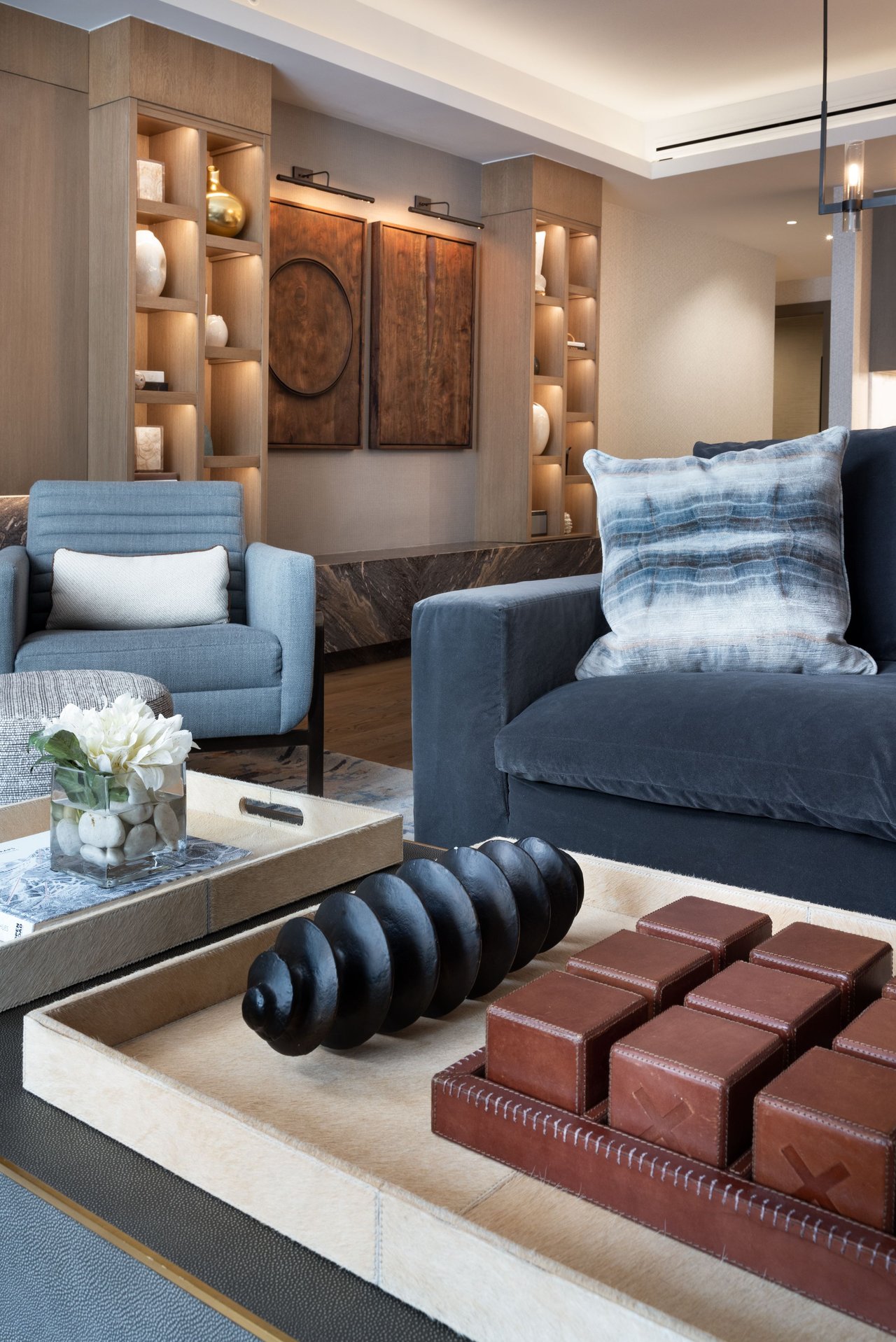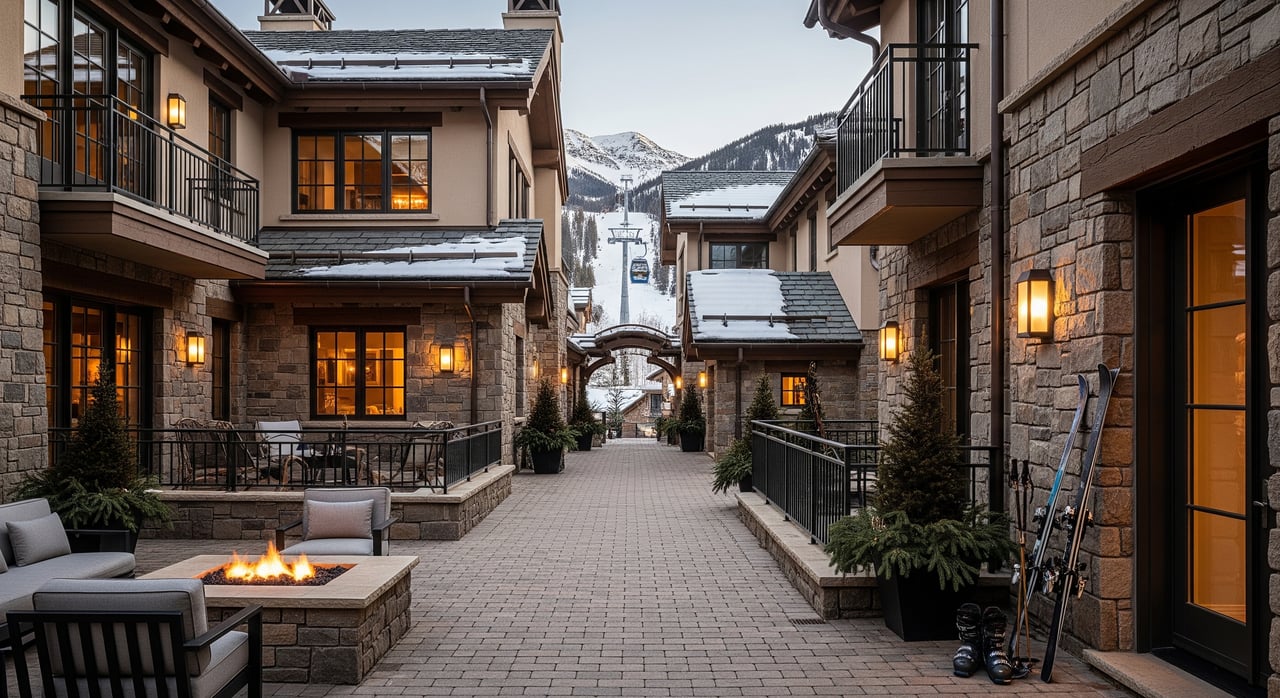
Picture this: you wake to alpenglow on Vail Mountain, grab a coffee, and stroll to the gondola with your skis over your shoulder. If you are weighing a second home in Vail Village or Lionshead, you want to know what daily life actually feels like across seasons. In this guide, you will learn the rhythm of each village, how different home types shape your days, and the practical details that make ownership smooth. Let’s dive in.
Vail Village vs Lionshead at a glance
Both Vail Village and Lionshead sit along Gore Creek at the base of Vail Mountain. They are compact, pedestrian focused, and designed so you can walk to lifts, restaurants, shops, and many services. Vail Village feels intimate and European in character, with narrow pedestrian streets. Lionshead is more modern and centered around a main gondola plaza, with a lively, resort‑style core.
Daily errands are simple. You can pick up groceries at small markets and specialty shops in or near the villages, then drive or shuttle to larger supermarkets in the Vail Valley when you need a full stock‑up. Local medical and emergency services are available in town, and regional providers are nearby for specialty care. Village shuttles, resort shuttles, and structured parking help you get around without much daily driving.
Daily rhythm by season
Winter: peak ski season
Winter days often start early, with first tracks, a warmup lap, and a mid‑morning stop for pastries or soup in the village. You can store boots and skis in building lockers, then return for après on patios or bars before dinner. The villages feel most energetic over holidays and weekends, so plan dining and parking accordingly. Snow and ice are part of life, and many buildings handle snow removal and keep corridors warm for easy transitions.
Practical tip: bring sturdy winter footwear, and if you plan to drive, prepare your vehicle for snow. If you rent your home, expect more guest turnover and coordination with on‑site concierge or property managers during this season.
Spring: quieter, flexible time
Spring can stretch the ski season if snowfall lasts, yet foot traffic drops after peak events. You get more elbow room on the mountain and in the villages. This is a smart window for maintenance, light renovations, and personal use without holiday crowds. Restaurants and shops adjust hours, but essential services remain easy to reach.
Summer: festivals and the outdoors
Summer is for hiking, biking, golf, river time, and outdoor dining. The villages host cultural programming, music, and markets, so the energy shifts from snow to sunshine. Many businesses stay active for summer visitors, and you will see families and friends gathering in plazas and along the creek. The day often starts on a trail and ends with dinner on a patio.
Fall: calm and preparation
Fall brings golden foliage, crisp mornings, and a quieter rhythm. You can schedule service calls, compare bids, and tackle projects before winter. A brief visitor bump arrives during peak leaf color, then the villages settle again. It is a restful season that helps you reset and plan for opening day.
How home type shapes your days
Ski‑in/ski‑out condos
These units offer the highest convenience for daily skiing, often with direct or very short access to lifts. Expect compact floor plans, elevators, shared amenities, and front‑desk support in many buildings. You will live close to dining and nightlife, which adds vibrancy and occasional noise. HOAs usually handle snow removal and common areas, and they set rules for pets, rentals, and remodeling.
Ownership notes:
- Review HOA fees, storage, and ski locker details.
- Confirm parking allocations and guest policies.
- If renting, understand on‑site management programs and house rules.
Mixed‑use hotel residences and fractional/condo‑hotel
You get hospitality services like housekeeping, a front desk, and on‑site dining, plus established rental infrastructure if you choose to participate. This model is hands off, ideal if you want seamless arrivals and departures. Personalization may be limited, and ownership structures can come with different occupancy or tax considerations. Review HOA agreements and program documents to understand flexibility and long‑term dynamics.
Ownership notes:
- Compare rental program terms, owner use calendars, and fees.
- Ask about housekeeping, linen, and maintenance inclusions.
- Clarify storage, parking, and any concierge or valet availability.
Townhomes and multi‑level residences
Townhomes offer more space, privacy, and family‑friendly layouts, often with garages and full kitchens. You may be a short walk or shuttle ride from the central plaza. The feel is quieter than core village condos, with more self‑sufficiency. Some associations include full exterior care, while others expect owners to handle parts of snow and yard work.
Ownership notes:
- Verify what the HOA covers for snow, exterior, and utilities.
- Check storage for bikes, skis, and gear.
- Review guest parking and shuttle stops nearby.
Single‑family homes nearby
Private residences deliver maximum privacy and flexibility, often outside the immediate walk‑to‑lift zones. You will likely rely on a car for village access and errands. Maintenance is more hands on, but you gain space for family, gear, and long stays. This can be a great fit if you value quiet and room to spread out.
Ownership notes:
- Plan for snow removal, utilities, and seasonal maintenance.
- Confirm driveway and garage capacity for owners and guests.
- Consider property management support if you are away often.
Everyday logistics that matter
Transportation and access
Eagle County Regional Airport is the closest commercial gateway, while Denver International is a major hub typically a 2+ hour drive away. Seasonal ground transfers, private cars, and shuttles are common for owners and guests. Once in the villages, walkability, ski access, and local shuttles reduce daily driving.
Parking and mobility
Parking is often structured and limited, especially in core buildings. Confirm your assigned spaces and guest options in writing. If you expect frequent visitors or rental turnover, plan how guests will arrive, park, and access the building.
Property management and rentals
Many second‑home owners rely on local management or concierge teams for housekeeping, bookings, linens, and guest communication. Rental demand is strongest in winter and during peak summer periods. Shoulder seasons are quieter, which is good for personal use and projects. If rental income is part of your plan, align your unit type, building rules, and management approach with realistic seasonal demand.
HOAs, utilities, and insurance
HOAs often cover exterior maintenance, common areas, trash, and snow removal, and they set community rules. In mountain climates, plan for heating, hot water, and freeze protection, especially if your unit sits vacant at times. Insurance should account for snow load, ice, and freeze risks, with details that fit condo association structures or single‑family ownership.
Storage, gear, and deliveries
Dedicated ski lockers, boot dryers, and gear storage make village living easier. Ask about assigned storage and in‑unit spaces for bikes and seasonal items. Many owners use grocery and package deliveries; confirm building policies for deliveries, short‑term guest access, and elevator use.
Services and community life
Compare on‑site amenities like front desk or concierge, fitness, pools or hot tubs, spas, and restaurants. The broader community offers libraries, churches, recreation centers, and nonprofit arts organizations. Seasonal volunteer and social opportunities help you plug into the valley at your own pace.
Buyer checklist for village living
- Confirm current short‑term rental and lodging regulations with the Town and County.
- Request HOA budgets, meeting minutes, rules, and reserve studies.
- Verify assigned parking, guest parking, and any valet or shuttle options.
- Inspect storage and ski locker locations, sizes, and access.
- Ask for utility billing details and historical usage if available.
- Interview property management firms and compare service packages and fees.
- Tour buildings on weekdays and weekends, in peak and shoulder seasons, to gauge activity and noise.
- Check proximity to groceries, clinics, and airport transfers that fit your travel habits.
Which village and home fit you
Choose Vail Village if you want an intimate, European‑style core, tucked pedestrian lanes, and classic village energy. Choose Lionshead if you prefer a modern plaza feel with direct gondola focus and a streamlined resort experience. Pick a ski‑in/ski‑out condo for maximum lift convenience, a hotel residence or fractional model for turnkey service, a townhome for privacy and storage, or a single‑family home nearby for space and quiet. Your ideal match balances walkability, services, storage, and the rental strategy you prefer.
Work with a trusted local advisor
Every building and block in Vail Village and Lionshead lives a little differently, and the details matter. With decades in the Vail Valley and deep experience across branded residences, fractional models, and village‑core condos, Dana brings a hands‑on, boutique approach to complex second‑home decisions. If you want clear guidance on lifestyle fit, HOA realities, and rental options, let’s talk. Schedule a private consultation with Dana Gumber.
FAQs
How walkable are Vail Village and Lionshead for daily needs?
- Both villages are pedestrian oriented, with lifts, dining, and many services a short stroll from central properties.
What is winter like for owners who plan to rent?
- Winter brings strong demand and more guest turnover, so coordination with building management or a property manager is helpful.
Are grocery stores and essentials close to the villages?
- Small markets and specialty shops are in or near the villages, while larger supermarkets are a short drive or shuttle away in the Vail Valley.
How does parking typically work in core buildings?
- Parking is often structured and limited, with assigned spaces and specific guest policies that you should confirm in writing.
What are common HOA inclusions in village properties?
- HOAs frequently cover exterior maintenance, common areas, trash, and snow removal, and they set rules for pets, rentals, and remodeling.
Which home types are best for turnkey living?
- Mixed‑use hotel residences and fractional or condo‑hotel models are the most hands off, with housekeeping, front desk services, and established rental programs.