Winter in the Rockies is beautiful, but it can be hard on your home. At high altitude, materials face intense UV, big temperature swings, heavy snow, and wildfire exposure. If you plan a new build or a renovation in Cordillera, the right material choices will save you time, money, and stress.
Below, you will find durable options that perform at elevation, plus the key details, maintenance tips, and contractor questions that keep homes tight, warm, and resilient. Let’s dive in.
Why altitude changes the rules
High-altitude living brings thinner air, stronger UV radiation, and larger daily temperature swings. You also face rapid freeze–thaw cycles, significant snow loads, and periods of low humidity. These conditions can fade finishes faster, embrittle plastics, stress fasteners, and push moisture where you do not want it.
Wildfire risk matters as well in the wildland–urban interface. Ignition-resistant exteriors and defensible space are smart choices. Roofs, claddings, and decks all need to resist embers, shed snow, and manage water.
Foundations that resist freeze–thaw
Durable foundations start with depth, drainage, and insulation. Set footings below local frost depth and include perimeter drains and capillary breaks to move water away from the structure. Insulating slab edges and exterior perimeters reduces heat loss and eases freeze–thaw stress on concrete.
For concrete mixes, use air‑entrained concrete and follow cold‑weather curing practices. This helps prevent spalling and scaling. At below‑grade walls, use waterproofing membranes or cementitious coatings to limit moisture entry, which protects finishes and improves comfort.
Framing and moisture control
Engineered lumber such as LVLs and I‑joists helps limit movement when humidity swings. Where wood meets grade, use pressure‑treated material. For connectors and fasteners, choose stainless steel or hot‑dip galvanized hardware. Snowmelt and de‑icing salts can accelerate corrosion, so the fastener choice matters.
Your exterior walls should have a continuous air barrier and a reliable drainage plane. Taped structural sheathing systems or robust housewraps stand up to construction UV exposure. A ventilated rainscreen gap behind cladding speeds drying and reduces risk during snowmelt.
In cold climates, vapor control is about balance. Smart vapor retarders can reduce winter vapor drive without trapping moisture in summer. Coordinate insulation and vapor control so cavities stay above dew points through the winter.
Insulation and window performance
Exterior continuous insulation pays off in mountain conditions. Rigid foam or mineral wool boards reduce thermal bridging and keep sheathing warmer, which lowers condensation risk. Combine that with careful air sealing. Closed‑cell spray foam provides high R‑value and air tightness, while mineral wool or dense‑pack cellulose can work well with a separate air barrier.
Windows and doors deserve equal attention. Prioritize low U‑factor units, triple glazing where budget allows, low‑E coatings tuned for cold climates, and warm‑edge spacers. Proper installation, flashing, and integration with the drainage plane matter as much as the glass package.
Roofing that stands up to snow
Your roof does most of the work in a Cordillera winter. Slope, underlayment, and detailing are as important as the material.
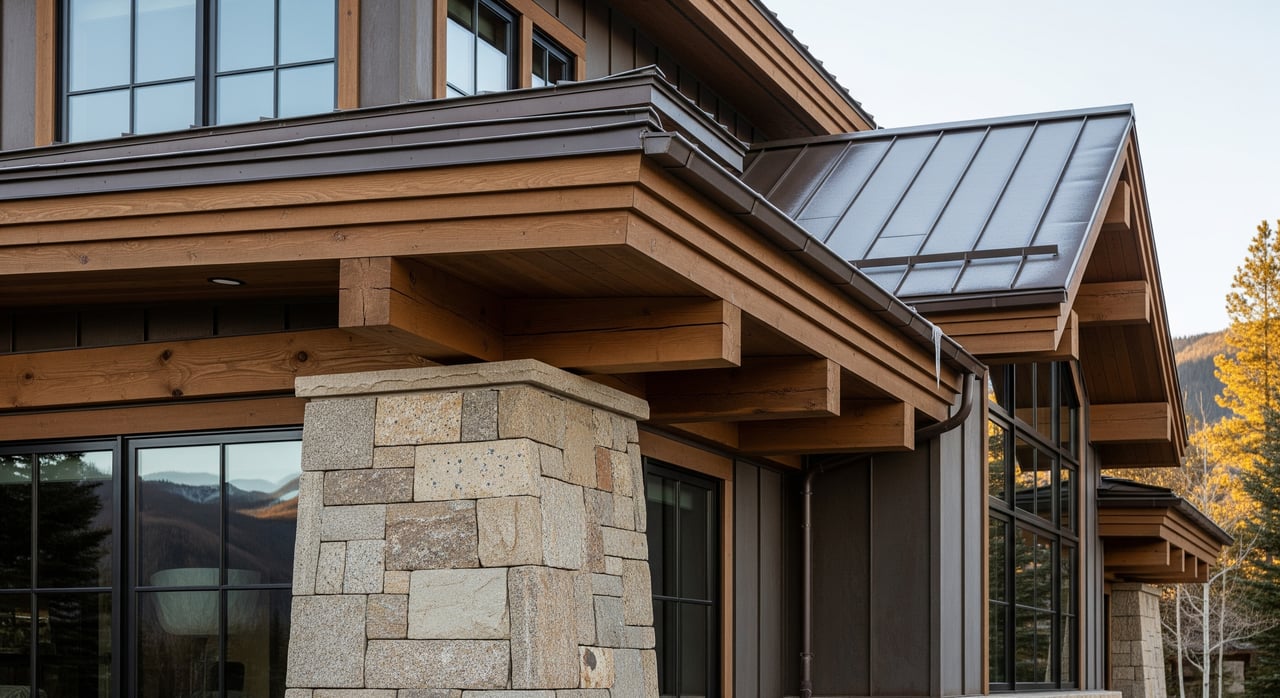
- Standing‑seam metal roofing: Excellent snow shedding, long service life, high wind resistance, and Class A fire performance. It often requires snow retention devices to protect entries and walkways. Choose coatings rated for high UV, and detail for thermal movement. Use ice‑and‑water shield at eaves and valleys, and ensure ventilation to reduce ice dams.
- Synthetic slate or composite roofing: Quality synthetics mimic slate or wood with lighter weight and good impact resistance. Confirm the manufacturer’s UV and freeze–thaw warranty for high altitude.
- High‑grade asphalt shingles: A budget‑friendlier option, but they weather faster in strong UV. Select laminated shingles rated for cold climates and high winds, and make sure attic ventilation and ice‑and‑water shield are correctly installed.
Key details include generous flashing, eave protection, and a snow management plan that fits your site. Snow guards or fences can prevent dangerous slides onto driveways, decks, or gas meters.
Fire‑smart siding and cladding
Exterior walls need to resist embers, UV, and moisture while fitting Cordillera’s architectural standards.
- Fiber‑cement siding: Durable, noncombustible, and stable under UV. It resists rot and insect damage and is a strong choice in wildfire‑exposed areas.
- Stone and masonry veneer: Attractive and extremely durable. Always include a drainage plane and weeps to prevent moisture buildup behind the veneer.
- Metal panels: Noncombustible and low maintenance with the right UV‑stable coatings. Mind thermal bridging and specify corrosion‑resistant fasteners.
- Engineered wood and cedar: Warm and classic, but combustible. Cedar needs regular finishing and is more vulnerable in wildfire conditions.
- Stucco or EIFS: Can perform well when detailed with proper drainage, weep screeds, and flexible flashing. Exercise caution at ground contact or where snowmelt wets surfaces frequently.
For the first 5 to 30 feet around the home, use noncombustible or ignition‑resistant materials and keep vegetation managed for defensible space.
Decks, rails, and exterior details
Decks take a beating from sun, ice, and shovels. Capped composite or PVC decking resists UV and freeze–thaw movement better than untreated wood. Thermally modified hardwoods can be an option, but verify local availability and UV performance.
Use stainless steel fasteners, especially near treated lumber or where snowmelt and salts are present. Hidden fastener systems reduce snag points for ice. For railings, stainless steel or powder‑coated aluminum offers long‑term durability and clean lines.
Interior finishes and systems
Inside, altitude still matters. Engineered hardwood flooring handles humidity swings better than solid plank. Luxury vinyl plank and tile are resilient and low maintenance. Area rugs and modest humidity control help stabilize finishes.
For mechanicals, cold‑climate heat pumps are increasingly viable. Size equipment for design temperatures and ensure proper distribution for even comfort. If you use combustion appliances, confirm altitude‑specific adjustments or manufacturer kits and include carbon monoxide monitoring.
Tight homes need controlled ventilation. Heat or energy recovery ventilators provide fresh air while conserving heat. Protect plumbing by insulating hot water lines, shielding exterior pipes, and using freeze‑protected valves for exterior fixtures.
Maintenance, warranties, and lifecycle
High UV and temperature swings accelerate wear. Plan to recoat exposed wood and metal trim per manufacturer schedules and reseal deck products as needed. Spring inspections after snow season are essential. Check eaves, flashing, gutters, downspouts, and siding penetrations. Address sealant failures and trim damage promptly.
Expect longer service life from metal roofing, fiber‑cement siding, and stone veneer. Asphalt shingles and exposed wood typically need more frequent care. Higher initial cost often means lower lifecycle cost, but HOA guidelines, budgets, and timelines will influence your choices.
Always read warranty fine print for high‑altitude exposure and confirm installation practices in writing. Many warranties require specific fastener types, clearances, or coatings to remain valid.
Codes, HOA, and insurance
Roof and structural design must meet Eagle County requirements for snow and wind. Your contractor should verify local ground snow load because it drives framing sizes, connections, and roofing strategy.
Cordillera’s architectural review guidelines may set approved materials, colors, and roof types. Engage the HOA or design review board early to keep your schedule on track.
Wildfire mitigation may be required by insurers or local guidance. Expect to use ignition‑resistant materials and to maintain defensible space. These measures protect safety and can help with insurability and long‑term value.
Smart selection checklist
Use this quick checklist as you review options with your builder or supplier:
- Fire rating: Is the product Class A, B, or C and suitable for the wildland–urban interface?
- UV and freeze–thaw: Is the coating and material tested for high‑altitude UV and temperature cycles?
- Corrosion resistance: Are fasteners and connectors stainless or hot‑dip galvanized where needed?
- Snow strategy: Is the roof designed for local snow load, and are snow guards specified where appropriate?
- Drainage and drying: Does the wall assembly include a ventilated rainscreen or gap behind cladding?
- Warranty specifics: Are the warranty terms valid for high‑altitude installations in Colorado?
- Window performance: Do windows meet cold‑climate U‑factor and SHGC targets with proper flashing details?
- Mechanical readiness: Are combustion appliances altitude‑adjusted and is an HRV or ERV included for tight homes?
- Maintenance plan: What is the recommended schedule for recoating, sealing, and flashing inspections?
Questions to ask your contractor
- Have you installed these exact products at similar elevations and can you share references?
- How will you manage snow loads, ice dams, and roof‑to‑wall transitions to prevent leaks?
- What is your ventilation strategy for the roof and behind claddings?
- Will you use stainless or hot‑dip galvanized fasteners and compatible flashing metals?
- How will you reduce thermal bridging with continuous exterior insulation?
When you choose materials that can handle Cordillera’s UV, snow, and wildfire exposure, you protect comfort and long‑term value. The right roof, cladding, windows, and mechanical systems also reduce maintenance and improve performance through every season.
For discreet, expert guidance on building, buying, or selling a high‑altitude home in the Vail Valley, connect with Dana Gumber. Schedule a private consultation.
FAQs
Is a metal roof better than asphalt in Cordillera?
- Metal typically lasts longer, sheds snow more effectively, and is noncombustible. High‑grade asphalt can perform, but it needs more maintenance and has a shorter lifespan in strong UV.
Is fiber‑cement siding worth it for wildfire areas?
- Fiber‑cement is noncombustible, durable, and stable in UV and freeze–thaw cycles. It is a strong, low‑maintenance choice for mountain homes with ember exposure.
Do I need triple‑pane windows at high altitude?
- Triple glazing lowers heat loss and reduces condensation risk in very cold conditions. If budget is tight, prioritize triple panes on the coldest exposures and high‑quality installation.
How often should I inspect my home after winter?
- Each spring and after major storms, check roof eaves, flashings, gutters, downspouts, and siding penetrations. Address sealant gaps and trim damage promptly to prevent leaks.
What exterior materials help with wildfire resilience?
- Choose noncombustible or ignition‑resistant materials like metal roofing, fiber‑cement siding, stone, and well‑detailed stucco. Maintain defensible space in the first 5 to 30 feet around the home.