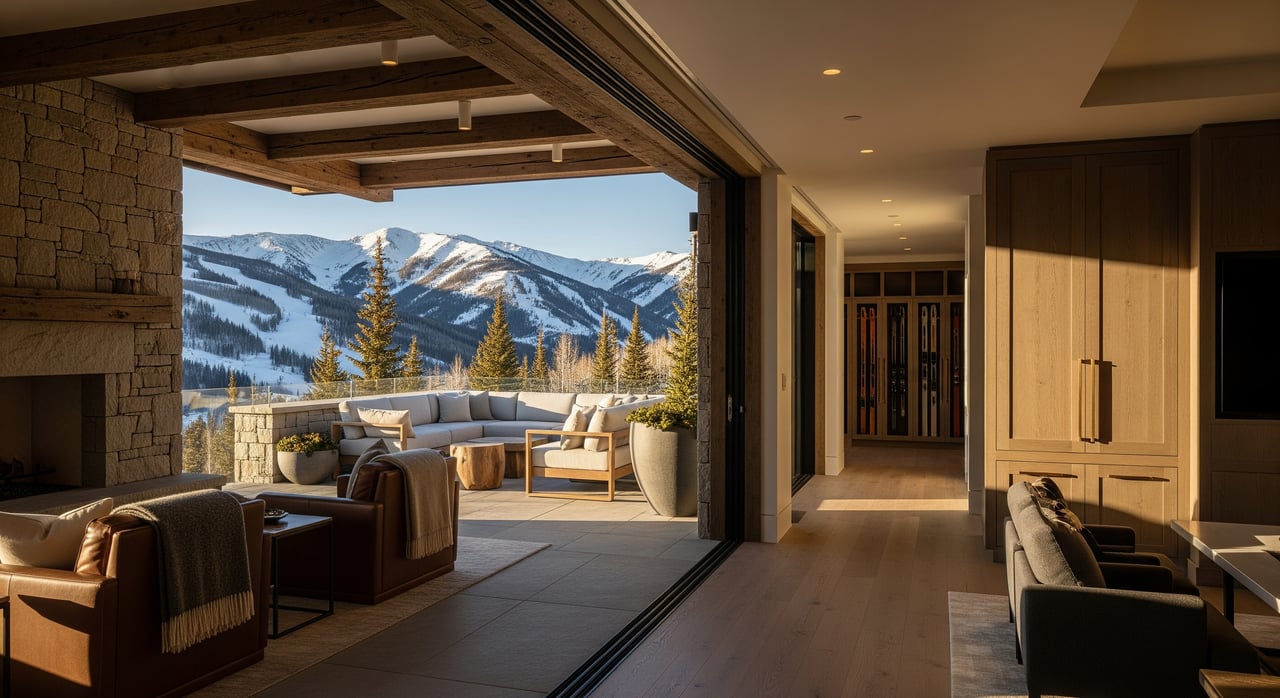
Are you preparing to bring a branded residence to market in Vail? You know the demand is there, but capturing it before delivery takes a focused plan that fits this alpine resort and its high-net-worth buyers. You want clarity, momentum, and lender confidence without overpromising. In this guide, you’ll learn how to design, price, and launch a presales program built for Vail and Eagle County, along with the metrics and protections that keep your project on track. Let’s dive in.
Why presales matter in Vail
Vail is a high-end resort market with limited developable land, strong second-home demand, and seasonality that concentrates buyer activity. That combination rewards projects that demonstrate early traction. Presales validate demand, reduce risk, and often unlock construction financing. They also create community among early adopters who become advocates during the build.
For branded residences, presales do more than move inventory. They showcase the brand’s service model, highlight access to concierge-level amenities, and leverage loyalty networks. Done right, your presale effort reaches national and international buyers who prioritize turnkey ownership, rental options, and trusted brands.
Define your product early
Getting product-market fit right is the foundation of your presales plan. Buyers in Vail respond to clarity and detail.
Align unit mix to Vail buyers
Create a balanced mix that reflects how second-home owners actually use space. Prioritize 1–3 bedroom plans, consider lock-off options for flexibility, and emphasize practical resort features like heated gear storage and private outdoor space. Orientation to ski access and village convenience frequently drives interest.
Choose the right ownership structure
Decide whether you’ll offer full ownership, fractional, or a hybrid model. Each attracts a different buyer profile and has different financing and regulatory implications. Bring counsel in early to align structure, marketing disclosures, and HOA rules with Colorado requirements.
Elevate amenities and brand services
Spell out exactly what the brand delivers. Detail concierge, housekeeping, food and beverage access, spa and pool usage, and owner privileges. Define service hours, staffing expectations, and any priority-reservation benefits. A clear service matrix helps buyers compare value and justifies your brand premium.
Clarify the rental program upfront
Transparency drives trust. Define whether participation is opt-in or mandatory, how revenue shares work, management fees, owner-use allocation, and booking priority. Provide sample scenarios so buyers can understand potential net outcomes without treating them as guarantees.
Price, inventory, and release strategy
A disciplined release plan supports velocity, signals professionalism to lenders, and rewards early adopters.
Price to comps, then quantify the brand premium
Anchor pricing to local high-end comparables and relevant resort benchmarks, then explain the premium tied to your brand and services. Present illustrative HOA fees and operating costs, along with non-binding rental models where applicable. Clear cost visibility is essential to convert sophisticated buyers.
Stage your release for momentum
Start with a soft launch to VIP lists and key brokers, then open to a broader audience. Staged price releases can reward early buyers while supporting appraisals and lender confidence. Sequence exposure to align with construction milestones and peak visitation windows.
Set deposits and escrow milestones
Use a staged deposit structure held in escrow, such as an initial deposit at signing followed by additional deposits at agreed construction milestones. Outline refund, assignment, and transfer policies in plain language so buyers and their counsel can underwrite risk quickly.
Align presale targets with lender expectations
Discuss presale thresholds with potential lenders well before your public launch. In resort projects, lenders commonly look for a material share of units under contract prior to funding construction. A general range often cited is 30 to 50 percent, but the exact requirement depends on lender, project scale, team, and market conditions.
Reach the right buyers
Vail’s buyer pool is both local and global. You’ll need high-touch channels and polished presentation.
Channels that convert in Vail
Tap brand loyalty databases and hospitality sales channels to reach lifestyle-driven buyers. Combine global luxury brokerage networks with top local brokers for qualified introductions. Add selective digital advertising, thoughtfully curated private events, and on-mountain activations timed with peak visitation.
Sales collateral that builds trust
Invest in high-quality renderings, VR walk-throughs, specification sheets, and finish boards. Provide a clear amenity and service matrix and sample HOA budget projections. If you do not have a model unit, a well-produced show suite or digital twin can bridge the gap.
Treat brokers as strategic partners
Offer structured commission tiers and hold broker preview sessions early. Arm agents with training on brand differentiators, service tiers, HOA budgets, and rental program mechanics so they can educate their clients accurately and confidently.
Financing, contracts, and protections
The right structures de-risk the path from reservation to closing for both buyers and lenders.
Prepare for construction lender diligence
Expect review of presales velocity, contract strength, brand track record, construction team credentials, and market comparables. Keep feasibility studies and absorption plans updated and ready to share.
Help buyers navigate financing
Many presale buyers will use private banking, portfolio lending, or jumbo mortgages. Provide a vetted list of lenders comfortable with off-plan purchases and clarify the timeline from contract to closing. Align appraisal assumptions and contract language so loan approvals can proceed smoothly.
Use clear, Colorado-specific contracts
Development purchase agreements should spell out deposit handling, escrow arrangements, completion timelines, remedies for delay, and assignment rights. Work with local counsel who understands Colorado developer disclosures and off-plan norms in resort markets.
Make consumer protections visible
Provide a straightforward buyer information packet. Include budget summaries, governance structure, construction milestones, and dispute-resolution pathways. Transparency reduces friction and accelerates decisions.
Operational planning that sustains value
How you operate matters as much as how you sell. Strong operations protect long-term pricing power.
Be transparent on budgets and fees
Share estimated HOA and operating costs, management fees, utilities, and reserve contributions early. Consider service tiers so owners can select programs that fit their use patterns.
Define brand governance and service levels
Clarify how the brand, HOA, and developer interact. Document who controls food and beverage, spa operations, staffing, and data sharing. Explain owner reservation priority and loyalty benefits in writing.
Set realistic resale expectations
Brand strength often supports resale value, but buyers need context about liquidity outside peak seasons. Provide historical comparables for mountain branded product and discuss hold periods that align with resort-market cycles.
Risks and how to mitigate
- Market timing: Use conservative price escalation, maintain reserves, and prioritize core buyer segments.
- Brand risk: Document brand obligations and consider performance protections. Have a contingency plan if the brand changes.
- Construction costs and delays: Vet contractors thoroughly, pursue a GMP where appropriate, and build realistic schedules with contingency.
- Regulatory shifts: Monitor local zoning, short-term rental rules, and tax changes. Design flexible unit use and update HOA rules accordingly.
- Buyer financing and lender requirements: Partner with lenders experienced in branded resort presales and communicate timelines clearly to buyers.
- Resale liquidity: Price with reference to non-branded comps and highlight owner benefits that underpin long-term value.
- Operating cost uncertainty: Budget conservatively and disclose assumptions early.
Prelaunch-to-closing checklist
Feasibility and pricing
- Demand analysis, buyer personas, and comp-based pricing with brand premium rationale.
- Capex and OPEX modeling with reserve contributions.
Brand and legal
- Finalize brand agreement with clear scope and transition terms.
- Engage Colorado counsel and select a title/escrow agent experienced in off-plan sales.
Team and partners
- Assemble your broker network and preferred lender list.
- Align with resort partners for ski access, amenity agreements, and cross-marketing.
Collateral and tech
- Produce renderings, VR tours, finishes packages, and a detailed service matrix.
- Prepare sample HOA budgets and rental-program illustrations.
Launch sequencing
- Soft launch to VIP and brand-loyalty lists; target 10 to 30 percent early momentum.
- Public launch with timed price releases and peak-season activations.
Contracts and deposits
- Define staged escrow deposits, refund and assignment policies, and milestone dates.
- Standardize buyer information packets and communications cadence.
KPIs to track
- Presale velocity: Units under contract per month versus feasibility targets.
- Sell-through: Progress toward lender thresholds and phase goals.
- Pricing health: Average selling price and price per square foot versus comps.
- Lead quality: Cost per lead, qualified tour ratio, and deposit conversion rate.
- Rental readiness: Projected NOI and net owner share under sample scenarios, if applicable.
- Operating discipline: OPEX per unit and reserve projections versus plan.
- Owner satisfaction: Early-owner feedback on services, governance clarity, and communication.
What buyers will ask
- What exact services does the brand provide, with hours and staffing levels?
- How will the rental program work, including fees, owner-use rules, and booking priority?
- What are the HOA and operating fee estimates, and what do they include?
- What is the deposit schedule, escrow protection, and refund policy?
- What is the anticipated construction timeline and remedies for delay?
- Which lenders support off-plan purchases in this market, and what is the process?
- How is governance structured among developer, brand, and HOA?
- What are resale expectations for branded residences in Vail and comparable resorts?
A thoughtful presales strategy in Vail begins with product clarity, transparent economics, and a launch plan that respects how luxury buyers make decisions. When you align pricing, protections, and brand operations to this market, you build trust and accelerate absorption while protecting long-term value. If you are preparing a branded-residence launch in Vail or Eagle County, schedule a private consultation with Dana Gumber to align your presales roadmap with local realities and global buyer reach.
FAQs
What is a branded residence in Vail?
- A privately owned condo or home that carries a hotel or lifestyle brand, with access to brand services like concierge, housekeeping, and amenity use, often with an optional rental program.
How do presales support construction financing in resort markets?
- Lenders often look for a meaningful percentage of units under contract before funding; a commonly cited range is 30 to 50 percent, subject to lender, project scale, and market conditions.
How do rental programs typically work in branded residences?
- Most offer opt-in or mandatory participation, defined revenue splits, management fees, and owner-use windows with booking priority rules that are set out in program documents.
What should I expect for HOA and operating fees on branded product?
- Fees reflect the service level and amenities. Budgets should be shared early and include management fees, utilities, and reserve contributions so you can underwrite total cost of ownership.
How do Vail and Eagle County rules affect rentals and use?
- Short-term rental policies, lodging taxes, and HOA rules shape owner use and rental potential. Review current Town of Vail and Eagle County requirements with local counsel during planning.