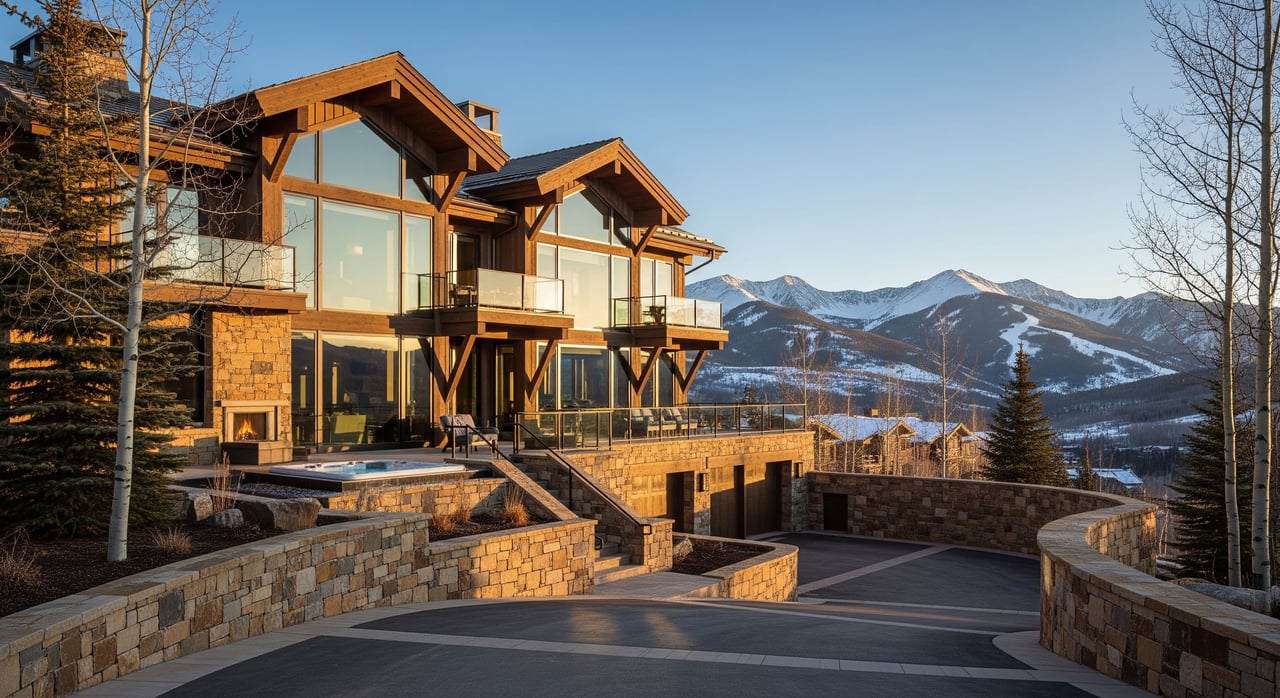
What is the right list price for a luxury home in Arrowhead? In a thin, resort-driven market, pricing can feel more art than science. You want to protect value, move on your timeline, and avoid the stigma of sitting too long. In this guide, you’ll learn a clear, data-backed approach to pricing an Arrowhead property, plus timing, risk management, and marketing moves that support your number. Let’s dive in.
Why Arrowhead pricing is different
Arrowhead is a high-end mountain community in Eagle County with a buyer pool that looks different from typical suburbs. You’re often speaking to second-home buyers, high-net-worth locals, and out-of-area or international purchasers who value views, privacy, ski and golf access, and a turnkey lifestyle.
Luxury markets run thin, which means fewer true comparables and bigger swings based on unique features. One great view corridor or a recent renovation can change perceived value more than square footage alone. Because trends can shift by neighborhood, it helps to check current regional data through resources like the Vail Board of REALTORS market reports and statewide context from the Colorado Association of REALTORS.
Know your buyer and microtrends
In Arrowhead, demand often follows travel patterns and the broader Vail Valley calendar. Inventory, new trophy listings, and seasonal tourism can all move the needle on pricing. Macro luxury trends from the National Association of REALTORS are useful, but your pricing should match the micro-story in Arrowhead and adjacent Beaver Creek areas.
Ask two questions before you pick a price:
- Who is most likely to buy this home in the next 90 days?
- What recent listings or sales will they compare it to first?
Choose your pricing framework
Market-value pricing
This is your baseline. You identify the closest comparable sales across 12 to 24 months, then adjust for lot, views, orientation, age, condition, quality of finishes, and amenities. In Arrowhead, you may expand geography to include similar resort communities, but keep resort characteristics aligned.
- Pros: Aligns with buyer and appraiser expectations and supports financing.
- Cons: Finding true comparables can be hard in a thin market. It takes experienced local judgment.
Value-premium pricing
You price above recent comps to capture a demonstrable premium such as unobstructed mountain views, a rare flat yard, direct lift or shuttle access, or a top-to-bottom luxury renovation.
- Pros: Can capture buyers who pay for true rarity and creates room to negotiate.
- Cons: Risks longer days on market and appraisal gaps if the premium is not obvious and defensible.
Use this only when you can clearly show scarcity and support it with presentation.
Strategic underpricing
You list slightly below perceived market value to trigger multiple offers.
- Pros: Works when qualified buyers are concentrated and inventory is extremely tight.
- Cons: In luxury, it can attract lowball interest, erode perceived prestige, and fail if there are not enough active buyers.
This is rare in Arrowhead unless real-time interest signals are very strong.
Prestige pricing
You choose round numbers to support a luxury brand position. For example, $3,000,000 instead of $2,995,000.
- Pros: Signals status and aligns with high-end marketing.
- Cons: Can reduce search visibility for buyers filtering by exact price bands.
Consider this for trophy homes where brand positioning matters most.
Build a quality comp set
Start with a 12 to 24 month lookback. Prioritize sales that share mountain-resort traits such as elevation, ski or shuttle access, HOA and amenity packages, and similar lot orientation. If you must reach beyond Arrowhead, keep the resort lifestyle variables aligned.
Document adjustments for each comparable. Treat one-off trophy results with caution. A headline sale can skew expectations if the features are not truly comparable.
Quantify the premium features
In Arrowhead, small differences can drive big value changes. Line-item the features below and assign estimated adjustments during pricing discussions:
- Views and orientation, especially south-facing or long-range mountain vistas
- Lot utility and privacy, including flat usable yard vs. steep terrain
- Proximity or access to lifts and shuttles, plus private club entitlements
- Golf course views or adjacency
- Recency and quality of renovations, from materials to mechanicals and smart-home systems
- Turnkey readiness, including furnishings and any documented rental history
- Garage and parking capacity and winter driveway accessibility
- HOA rules, assessments, and usage or rental restrictions that affect ownership
Time your launch
Seasonality matters. Many luxury sellers list in spring or early summer to catch buyers planning for the next ski season. Winter can boost visibility to active ski-home shoppers, but showings can be more complex.
There is no one-size timing. Align your launch with your likely buyer and expected competition. If a cluster of similar listings is set to hit the market, you may shift by a few weeks to avoid noise.
Pair pricing with premium marketing
Pricing and marketing work together. In Arrowhead, high-end listings benefit from:
- Professional photography and video, including drone and twilight work
- Floor plans and immersive virtual tours
- Bespoke brochures and property websites
- Broker opens and targeted outreach to national and international networks
- Private or invitation-only showings for qualified buyers
Effective marketing can help defend a firm price, but it is not a substitute for market-fit pricing. Build the marketing budget into your net proceeds plan upfront.
Manage appraisal, financing, and disclosures
Many luxury buyers use cash or jumbo financing. Appraisers may have limited comps, so overpricing increases risk and slows underwriting. To reduce friction, consider a pre-listing inspection, prepare a comp and features packet for the appraiser, and set expectations around potential appraisal gaps.
Colorado requires sellers to disclose known material facts. Confirm HOA covenants, rules, fees, and any transfer charges. For statewide forms and guidance, review the Colorado Association of REALTORS resources. For property tax history and special districts, consult the Eagle County Assessor and Recorder.
Watch days on market and adjust
In luxury, lingering can create a shadow over a listing. If you do not see strong showings or offers in the first 3 to 6 weeks, make a modest, data-driven adjustment. Reductions of roughly 2 to 5 percent are more effective than a series of tiny changes. Pair the move with a marketing relaunch to reframe the narrative.
Consider off-market pathways
Some Arrowhead homes sell privately. Off-market pricing relies on comparable discipline and broker network intelligence. If privacy is a priority, require proof of funds or pre-approval before showings and keep marketing tightly targeted.
A step-by-step pricing playbook
- Scan the local market
- Pull Arrowhead and Beaver Creek area data for the last 12 to 24 months: closed, pending, active inventory, list-to-sale ratios, and median days on market. Use sources like the Vail Board of REALTORS for regional context.
- Select and adjust comps
- Choose 3 to 6 best-fit sales. Document adjustments for views, lot, renovations, and amenities.
- Prep for market
- Order a pre-listing inspection. Address visible defects. Invest in curb appeal, light landscaping, and selective staging.
- Set your price band
- Establish a primary list price and a firm floor. Decide whether to add a value premium or use a prestige number.
- Launch your marketing
- Execute photography, video, floor plans, and virtual tours. Share with targeted broker and buyer networks. Schedule a broker open.
- Qualify buyers
- Request proof of funds or jumbo pre-approval before substantive showings.
- Monitor and adapt
- Review feedback, online engagement, and showing volume weekly. If traction lags, adjust either marketing or price.
- Negotiate with a plan
- Anticipate repairs, appraisal gaps, and timing asks. Decide on concessions in advance to protect your net outcome.
What success looks like
A well-priced Arrowhead listing draws qualified attention quickly, earns clean offers, and moves to a confident closing without drama. You protect your time, preserve your privacy, and capture the premium your home deserves by pairing market-fit pricing with precise marketing and firm risk controls.
When you are ready to discuss your pricing strategy, schedule a private consultation with Dana Gumber. You will get local insight, developer-level presentation, and a plan tailored to your goals.
FAQs
How should a luxury seller in Arrowhead choose comps?
- Use 3 to 6 recent resort-style sales within 12 to 24 months, then adjust for views, lot, access, renovation quality, and HOA or amenity differences.
Is it smart to price above comps for unique features in Arrowhead?
- Yes if the feature is truly rare and obvious to buyers, and your marketing clearly supports it; otherwise start at market value to avoid extended days on market.
What is the best time to list a luxury home in Arrowhead?
- Spring through early summer is common to capture summer traffic and pre-ski planning, but list when your target buyer is most active and competing inventory is manageable.
How do I reduce appraisal risk on a high-priced Arrowhead home?
- Complete a pre-listing inspection, prepare a robust comp packet, and be ready to negotiate if a jumbo appraisal comes in low.
Should I try an off-market sale to protect privacy?
- Private marketing can work when paired with strong broker networks and strict buyer qualification; pricing discipline still applies.
How big should a price reduction be if my home sits?
- Make a timely, data-driven adjustment of about 2 to 5 percent and pair it with a marketing relaunch to reset buyer perception.
Where can I find local data to support pricing?
- Review regional context from the Vail Board of REALTORS and statewide guidance via the Colorado Association of REALTORS; check taxes and records with the Eagle County Assessor and Recorder.