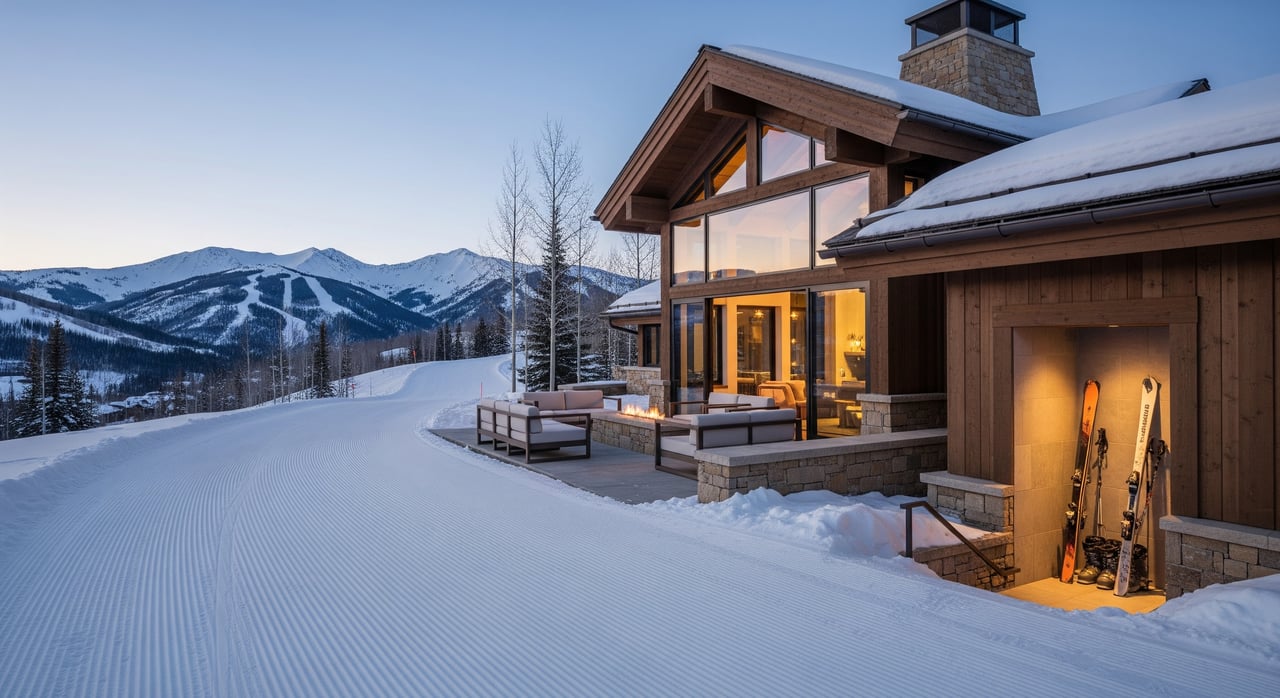
What if “ski-in/ski-out” does not mean what you think it means? In Beaver Creek, the label can range from direct slope access outside your door to a short walk along a maintained path. If you are buying or selling, understanding the differences protects your time, your budget, and your property’s value. This guide breaks down what ski-in/ski-out really means in Beaver Creek, how to verify it, and the key trade-offs to weigh before you move forward. Let’s dive in.
What ski-in/ski-out means
“Ski-in/ski-out” is a marketing term rather than a single legal status. It signals that you can move between your residence and the ski terrain without needing a car or shuttle. The details vary by property, building, and even by season.
At its best, you click into your skis near the building and slide to a groomed trail or lift. At day’s end, you glide back to a door, plaza, or private path that leads to your unit. The everyday convenience is the appeal, but the reality depends on location and operations.
Common labels explained
- Ski-in/ski-out (true): Direct access between the property and a groomed trail or liftline without using roads or vehicles. A short, flat connector or a maintained ski path may be part of the route.
- Ski-to-door, ski-on, slope-side: Often very close to true ski-in/ski-out, but may involve a brief walk, a flat glide, or a shared walkway.
- Ski-access or shuttle-access: Near the slopes but requires a building path, a heated walkway, or resort shuttle to reach a lift.
- Private ski easement: A recorded right-of-way that allows travel across land to reach the slope. Easements matter for legal, long-term access.
Why definitions matter
The right label affects how you carry gear, time your mornings, and return home in changing snow conditions. It also has legal and financial implications. Easements, HOA rules, and maintenance can determine whether a “path to the slopes” is guaranteed and well kept.
Clear, documented access typically supports stronger resale and rental demand. Ambiguity can hurt value and create friction when you sell or rent.
Where ski access exists in Beaver Creek
Beaver Creek Resort includes several residential and lodging areas where ski-adjacent properties are common. The three primary nodes are Beaver Creek Village, Bachelor Gulch, and Arrowhead. Each offers buildings and homes positioned near lifts, groomed trails, or pedestrian pathways designed for slope convenience.
Beaver Creek Village
The village core is the original hub, with lodging and residences close to lifts and groomed terrain. Many properties here are marketed as ski-in/ski-out or slope-side because the village was designed around pedestrian movement and winter access.
Exact access varies by building and unit. Some routes involve plazas, heated sidewalks, or short connectors maintained in winter. Always confirm the precise path and whether it remains open during standard operating hours.
Bachelor Gulch
Bachelor Gulch features luxury residences and lodging oriented to the mountain. Many properties are adjacent to groomed trails or connectors, which is why ski-in/ski-out descriptions are common here.
As in other parts of Beaver Creek, the integrity of access depends on grooming, lift schedules, and whether a private path or easement is in place. Verify if a recorded right-of-way exists and who maintains it.
Arrowhead
Arrowhead offers a quieter residential setting connected to the rest of the resort. Some properties have slope-side or near-slope positioning, and others rely on short walks or shuttles.
If you are comparing units, look for clear language on the daily route to the Arrowhead lift and whether it remains functional through the core season.
Operations that affect access
Vail Resorts manages lift schedules, grooming, snowmaking, and winter operations. Proximity to an open, groomed run during operating hours is essential for true ski-in/ski-out functionality.
Avalanche control and temporary closures can limit access along certain edges of the terrain. Seasonal weather may also alter connector routes. Check current operations during your visits, and understand that access can vary across the season.
Due diligence checklist
Before you make an offer, ask for documentation and confirm the daily experience. Use this checklist to organize your review:
- Property map with groomed trails, lifts, resort boundary, and any recorded ski easements or rights-of-way.
- Title report showing easements and encumbrances that affect slope access.
- CC&Rs, HOA bylaws, budgets, reserve studies, and meeting minutes that address ski paths, snow removal, heated sidewalks, and winter services.
- Written clarification on who maintains the route from the property to the slope.
- Local short-term rental rules, licensing needs, and lodging/occupancy taxes for the relevant jurisdiction.
- Rental program agreements and historical occupancy/revenue if income is part of your plan.
- Insurance requirements and any past claims related to storms or winter operations.
- Special district information for utilities, road maintenance, and services.
On-site verification steps
Paperwork is step one. The real test is the winter walk-through. If possible, tour during mid-season and bring or borrow gear to simulate the routine.
- Trace the full route from the unit to the nearest groomed run or lift during operating hours. Note any stairs, steep sections, or flat areas that could affect children or guests.
- Confirm the return path. It should be as clear and practical as the morning route.
- Look for building-level features: ski lockers, boot rooms, elevators, heated sidewalks, and mudrooms. These influence daily comfort and rental appeal.
- Observe noise and activity: grooming equipment, lift lines, and service vehicles. Slope-side convenience can come with more movement and sound.
Costs, rules, and rental reality
Slope-side buildings typically carry higher HOA dues to fund snow removal, heated surfaces, and infrastructure near ski terrain. Review current budgets and reserve studies, and ask about planned or recent special assessments.
Short-term rental policies vary by area, association, and local government. Some properties allow flexible rentals with licensing and taxes. Others limit or prohibit STRs. Confirm exact rules before underwriting income and understand that compliance and tax registration may be required.
Parking is another practical piece. Ask about assigned spaces, guest parking, winter restrictions, and any operational limits during storms.
Risks and trade-offs to consider
Every resort property involves trade-offs. The goal is to balance convenience with privacy, cost, and long-term value.
- Ambiguous access: Marketing can overstate convenience. Require a current map and a winter visit.
- Easements and neighbor issues: Unclear rights-of-way create disputes and maintenance gaps. Review recorded documents carefully.
- Seasonal limitations: Closures, weather, or avalanche mitigation can alter routes. Clarify operating assumptions and contingency access.
- Higher operating costs: Budget for elevated dues, potential assessments, and winter services.
- Insurance considerations: Proximity to ski terrain can affect coverage. Obtain quotes early and confirm association policies on common areas.
Noise and crowding are part of the equation. Prime slope-side locations can draw pedestrian traffic and lift activity. Orientation and floor level matter, so review site plans and tour during peak times.
Valuation and resale dynamics
Slope-side inventory is limited in mountain resorts. That scarcity tends to support higher price-per-square-foot metrics and strong rental demand when access is clear and documented.
Buyers should focus on the quality and permanence of access rather than the label alone. Sellers benefit from transparent, well-organized documentation and an explanation of the daily route that demonstrates the property’s convenience.
For sellers: strengthen the story
If you are preparing to list, plan your documentation and showings to remove doubt. Clear, credible information helps preserve value and shortens time on market.
- Provide an annotated map that traces the exact route to and from the slopes.
- Include the title report pages with recorded easements and any HOA statements about winter maintenance.
- Assemble HOA budgets, reserve studies, and minutes that mention snow removal and heated surfaces.
- Share recent rental history and guest feedback if your unit participates in a program.
- Stage for the lifestyle: highlight ski lockers, boot dryers, and gear rooms that make the routine effortless.
Work with a local expert
Beaver Creek’s villages, HOAs, and resort operations form a complex, well-run system. That is great for owners, but it means you need a precise understanding of how a specific building or home interacts with grooming, lift schedules, and winter services.
An experienced local advisor can translate the marketing label into a daily reality, line up the right documents, and coordinate site visits in-season. That saves you time and reduces risk, especially if you are evaluating rental potential.
If you would like tailored guidance on Beaver Creek ski-in/ski-out properties, schedule a private consultation with Dana Gumber. You will get disciplined, concierge-level support and local insight that aligns with your goals.
FAQs
In Beaver Creek, what counts as true ski-in/ski-out?
- True ski-in/ski-out means you can move between your door and a groomed trail or liftline without using roads or vehicles, typically during standard operating hours, with any connectors maintained for winter access.
How do HOA rules affect ski access in Beaver Creek?
- HOA documents often define who maintains paths, heated sidewalks, and snow removal; they may also govern guest use, equipment storage, and rental practices that influence daily convenience and liability.
Are short-term rentals allowed in Beaver Creek slope-side properties?
- It depends on the jurisdiction and the association; confirm local licensing, tax requirements, and any HOA restrictions before assuming rental income or setting a nightly rate strategy.
What extra costs come with slope-side condos in Beaver Creek?
- Expect higher HOA dues for snow management and infrastructure, potential special assessments, insurance tailored to mountain conditions, and parking or operational fees in peak winter.
How do winter operations impact daily ski access at Beaver Creek?
- Grooming schedules, lift hours, weather, and avalanche control can affect which routes are open; verify access during a winter visit and ask for written clarity on seasonal or operational limitations.