Buying or selling in Vail and wondering what those HOA dues actually cover? You are not alone. In a mountain resort with world-class amenities and heavy winter weather, association budgets look different than they do in a typical suburb. In this guide, you will see what dues commonly include, why costs vary, what to review during due diligence, and how to protect your interests if you plan to rent your home short term. Let’s dive in.
What Vail HOA dues usually include
Building and exterior maintenance
Your dues typically fund upkeep of the building shell and shared structures. That often includes roofs, siding, exterior paint, decks and balconies, and structural repairs. In multistory buildings, elevator maintenance and periodic overhauls are common line items. Snow and ice management for roofs, walkways, drives, and parking areas is a major cost in Vail’s climate.
Common area operations and utilities
Associations pay for utilities that serve shared spaces, like electricity, gas, water and sewer, and trash for common areas. Landscaping, irrigation, and pest control also fall under this category. Whether your individual unit’s utilities are included depends on metering. Some buildings include certain utilities in dues, while others bill owners separately.
Amenities and on-site staffing
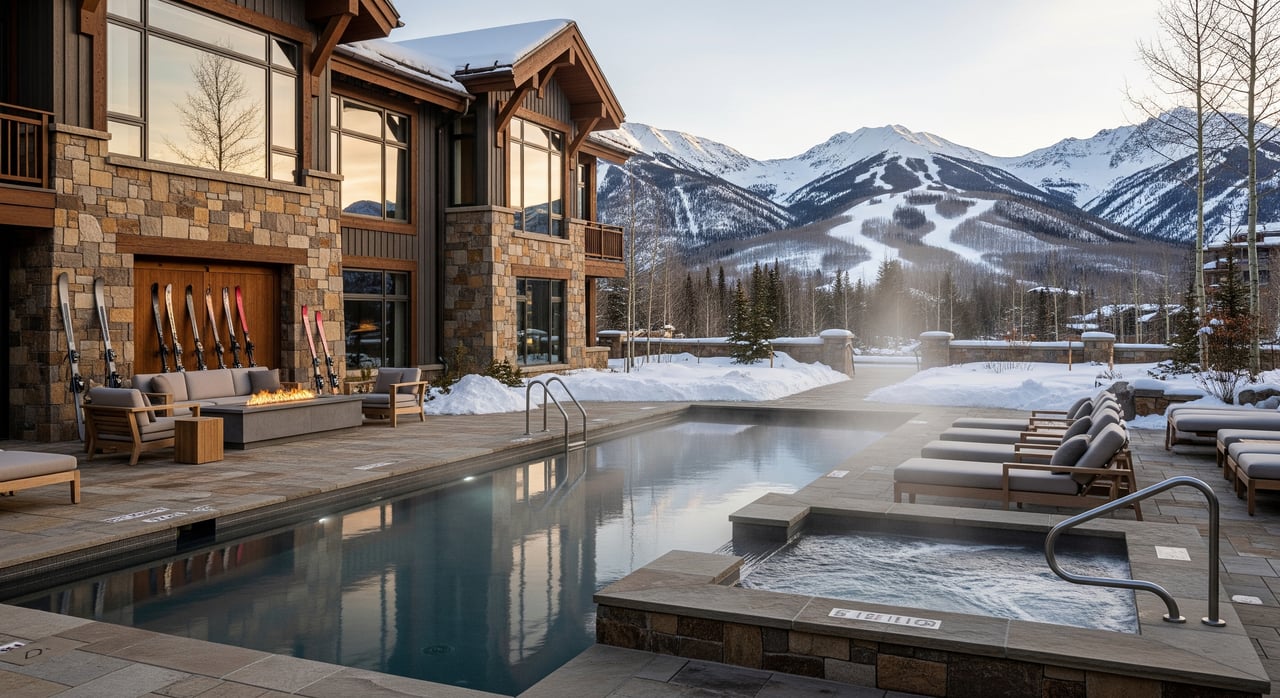
Many Vail communities offer resort-style amenities. Your dues may cover the operation and upkeep of pools, hot tubs, sauna or steam rooms, fitness centers, game rooms, and lounges. Staffing costs can include a property manager or management company, front desk or concierge services, maintenance techs, and housekeeping for common areas. In higher-end buildings, valet services, parking structure upkeep, and a private shuttle to lifts or village centers can be part of the budget.
Insurance and risk management
Associations carry a master property and liability policy that covers common elements and often the building shell. Premiums and deductibles can be higher in mountain environments due to winter hazards. You still need your own homeowners policy for your unit’s interior and personal property, often called an HO-6 policy.
Reserve fund and capital repairs
Healthy associations set aside money each month for future big-ticket items. That includes roofs, boilers, paving, and elevators. The reserve study drives how much the association contributes and when components should be replaced. Underfunded reserves can lead to special assessments.
Administrative and governance costs
Dues also support the business of running the community. Typical items include management fees, legal and accounting services, board operations, and required state filings.
Resort-specific items in Vail
Vail properties often have ski storage rooms, tuning benches, boot dryers, and locker rooms. These spaces require maintenance and cleaning. Some buildings participate in centralized rental programs, where the association or a related operator handles bookings and remits lodging taxes for those rentals. Private shuttles to the lifts or village nodes are common in higher-service buildings and add meaningful expense.
What dues rarely include
- Individual homeowners insurance for your unit interior or personal property
- Mortgage payments or any income or lodging taxes you owe as an owner
- Property taxes for your individual unit
- Most utilities if your unit is separately metered
- Special assessments for non-budgeted capital work
Why dues vary in Vail
Amenity level
Buildings with concierge, valet, pools, spa, fitness, and private shuttles cost more to operate. Full-service, hotel-like properties tend to sit at the high end of monthly dues.
Building type and age
Elevator buildings and older structures generally require more maintenance and reserves. Over time, aging roofs, boilers, and parking structures drive larger capital plans.
Unit size and allocation method
Dues are often allocated by percentage interest, square footage, or unit type. Larger homes and hotel-style units may pay more than smaller condos in the same association.
Climate and snow
Heavy snowfall is part of Vail life. Snow removal, de-icing, roof snow load management, and freeze protection show up as recurring, material costs.
Rental participation
If the association supports or administers short-term rentals, there can be added administrative, accounting, and insurance expenses.
Utilities and municipal fees
Water and sewer, special district charges, and local service fees can differ from lower-elevation areas. These line items affect the operating budget.
Typical ranges to expect
Vail includes many luxury, high-amenity properties, especially in Vail Village and Lionshead. As a result, dues trend higher in those locations. A basic, low-amenity condo might sit under a few hundred dollars per month. A mid-range building with parking and modest amenities often lands in the several-hundred to low-thousand range. High-amenity, full-service buildings commonly run from the high hundreds into multiple thousands per month. Always confirm the current dues for the specific property you are considering.
Due diligence checklist for buyers
You will want a clear view of the association’s finances, rules, and upcoming projects before you commit. In Colorado, the resale certificate delivers many of these items.
- Current annual budget and the most recent financial statements
- Reserve study or analysis and the schedule of reserve contributions
- Meeting minutes for the last 12 to 24 months
- Governing documents: Declaration or CC&Rs, Bylaws, Articles, and Rules and Regulations
- Insurance certificate and summary of coverage, limits, and deductibles
- Any pending or recent litigation and claims history
- History of assessments, including any special assessments still outstanding
- Owner delinquency report and percentage of accounts past due
- Rental rules, including any short-term rental limits or on-site program details
- Management agreement and major vendor contracts for snow, shuttle, landscaping, and elevators
- Resale certificate and any transfer or capital contribution fees
Key questions to ask
- What exactly is included and excluded in the dues for this unit, including utilities and parking?
- How are dues allocated among units?
- What is the reserve fund balance today, and how does that compare to the most recent reserve study?
- Have there been special assessments in the last five years, and are any planned?
- Is there any litigation affecting the association?
- What are the short-term rental rules and licensing requirements, and does the association operate a centralized rental program?
- What additional owner fees should I expect, such as transfer fees or move-in deposits?
- Who are the major vendors, and when do those contracts renew?
Short-term rentals in Vail: what to know
If you plan to rent your home on a short-term basis, you will need to follow both municipal rules and HOA policies. The Town of Vail and Eagle County impose licensing and lodging taxes for short-term rentals. Associations may set their own rental limits, require registration, or direct owners into on-site programs. Before you buy, verify the municipal licensing process and confirm that the building’s rental policies match your plan.
Financing and lender considerations
Lenders will review the association’s financials and insurance. Some loans require minimum reserve funding and low delinquency rates among owners. If your condo is used as a vacation rental or sits in a building with hotel-like operations, ask early about warrantable versus non-warrantable status. Underwriting rules can be stricter for certain resort projects, so it pays to confirm eligibility upfront.
Red flags and how to protect yourself
Watch for these issues
- Very low reserves in an older building or one with known upcoming projects
- A pattern of repeated special assessments
- High owner delinquency that points to financial stress
- Ongoing or threatened litigation that could lead to future assessments
- Ambiguous or restrictive rental rules if you plan to rent seasonally
- A very high master-policy deductible without a clear funding plan
Smart ways to manage risk
- Request a seller credit or escrow for a known, approved special assessment
- Use contract contingencies tied to a full review of HOA documents and lender approval of the project
- Focus inspections on major common systems such as roofs, elevators, boilers, and parking structures
- Ask for updated financials and recent meeting minutes if the review period is long
Tips for sellers in Vail
Smoothing the path for buyers can keep your deal on track. Secure your resale certificate and current financials early. Be ready to discuss reserves, assessments, rental policies, and any board actions that affect the property. If you participate in an on-site rental program, have clear reports that show how income and fees are calculated. Clarity builds confidence and can help protect your sale price.
Parking, shuttles, and mountain logistics
Parking is limited in Vail Village and Lionshead. Associations may own or maintain parking structures, assign spaces, or rely on town parking. Some buildings operate a private shuttle to the lifts or village centers. Ask whether shuttle service is included in dues, billed separately, or funded through a special contract. These transportation items can be meaningful drivers of operating cost and owner convenience.
Putting it all together
In Vail, HOA dues fund more than snow shovels and hallway lights. They support the building’s structure, the resort amenities you enjoy, and the on-site services that let you lock and leave with confidence. The right way to evaluate dues is to compare what you pay to what you actually receive, and to the strength of the association’s plan for future repairs. With a clear document review and a few targeted questions, you can buy or sell with confidence.
When you are ready to take the next step, connect with a local advisor who understands Vail’s resort communities, branded residences, and rental dynamics. For tailored guidance and a discreet review of your options, reach out to Dana Gumber.
FAQs
What do Vail resort HOA dues usually cover?
- Dues commonly fund building maintenance, common area utilities, amenities and staffing, master insurance, reserves for capital items, and administrative costs.
Are utilities included in Vail condo dues?
- It depends on metering and the building’s budget; some associations include certain utilities, while others bill owners individually.
How much are HOA dues in Vail on average?
- Dues vary widely by amenity level, building type, and unit size, ranging from a few hundred dollars to several thousand per month in high-service properties.
Do Vail HOAs allow short-term rentals?
- Policies vary; many associations permit short-term rentals with rules, and owners must also comply with Town of Vail and Eagle County licensing and lodging taxes.
What is a special assessment in a Vail HOA?
- A special assessment is a one-time owner charge for unbudgeted capital work or unexpected costs when reserves or insurance do not cover the expense.
How do high HOA dues affect financing?
- Higher dues raise your monthly housing cost and can impact debt-to-income ratios; lenders also review HOA reserves, delinquencies, and project eligibility.
What insurance do I need if my HOA has a master policy?
- You still need an HO-6 policy for your unit’s interior finishes, personal property, and personal liability, since the master policy covers common elements and the building shell.