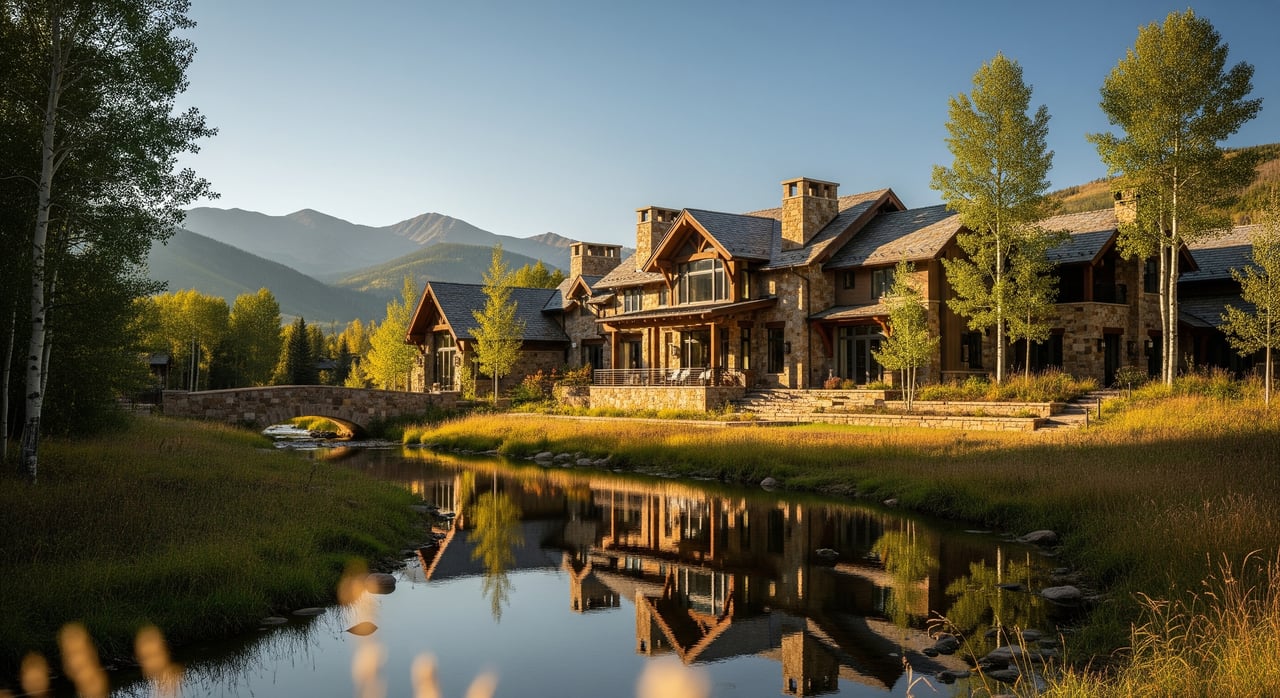
Wondering what buyers would pay for your Lake Creek estate today? In a market shaped by world-class resorts, seasonal demand, and limited inventory, it can be hard to pin down a number with confidence. You deserve a clear framework that respects the uniqueness of your property and the realities of Edwards and the Vail Valley. In this guide, you’ll learn what drives value, how a local CMA comes together, expected costs and timing, and a checklist to get sale-ready. Let’s dive in.
Lake Creek market snapshot
Lake Creek sits in Edwards in Eagle County, part of the Vail Valley. Values here reflect resort-area dynamics, including proximity to Beaver Creek and Vail, travel patterns, and the mix of second-home and full-time buyers. Homes with convenient access to Edwards and Avon amenities, trail systems, and regional golf often attract broader interest. Seasonality matters, and marketing windows can look different in summer and pre-ski periods than in shoulder seasons.
Local conditions also play a role. Water and sewer setup can vary between municipal connections and well or septic systems. Creek adjacency may elevate appeal, while floodplain designations, setbacks, or wetlands can affect usability. Wildfire risk and insurance availability are front-of-mind factors for many luxury buyers and can influence time on market.
What drives your price
Property-level factors
- Lot size and usable acreage. Larger, private parcels with flat or functional outdoor spaces usually command premiums.
- Views and aspect. Unobstructed mountain, valley, or water views, including lines of sight to signature peaks or ski terrain, often add material value.
- Living area and layout. Total heated square footage, bedroom and bathroom count, and finished lower levels all matter. Smart floor plans that suit entertaining and multi-generational use tend to perform well.
- Interior quality. Recent kitchen and bath updates, custom millwork, high-caliber stone and timber, and well-maintained mechanical systems support stronger per square foot pricing.
- Outdoor amenities. Expansive patios and decks, hot tubs, outdoor kitchens, and significant landscaping elevate appeal.
- Parking and storage. Oversized garages, shop space, or RV storage are valued in mountain settings.
- Utilities and infrastructure. Municipal water and sewer can simplify lending and insurance. Strong electrical service and broadband availability are additional pluses.
- Legal attributes. Deeded water rights, conservation easements, access easements, and mineral rights can add or subtract value depending on terms.
- Condition. Deferred maintenance or major system needs reduce marketability and price. A pre-listing inspection can help you quantify and address issues.
Neighborhood-level factors
- Parcel density and nearby development. Privacy, adjacency to newer subdivisions, or subdividability can shift price expectations.
- HOA governance and rules. Covenants, design controls, road maintenance, and any short-term rental restrictions impact both appeal and use.
- Local sale history. Closed prices on the same street or in the same subdivision provide the most relevant comps.
- Access and road care. Plowed private roads and reliable winter access support buyer comfort.
Market-level forces
- Inventory and competition. The supply of comparable luxury listings across Edwards and the Vail Valley frames buyer choice.
- Sale velocity. Days on market for similar high-end homes informs pricing and expectation setting.
- Financing climate. Mortgage rates and the mix of cash versus financed buyers affect buying power and negotiation.
- Seasonality. Demand often concentrates in late spring and summer and again before ski season. Timing can influence both speed and strategy.
- Regional economics. Tourism, resort employment, and second-home trends shape the broader buyer pool.
How to estimate a likely sale price
1) Define your market segment
Decide where your property competes: luxury estate, upper-end single-family, or resort second home. This guides which buyers you should target and how wide to cast your comp search.
2) Collect the right comps
Start with closed sales in your immediate Lake Creek area over the last 6 to 12 months. If turnover is thin, widen to 12 to 24 months and weight older sales appropriately. Supplement with active and pending listings to see where current asking prices and buyer interest sit.
3) Match on core attributes
Prioritize comps close in lot size, finished square footage, bed and bath count, age and condition, and standout features like views, creek frontage, or guest houses. Unique elements such as horse facilities, shops, or accessory dwellings should be treated as add-ons or deductions rather than direct matches.
4) Make thoughtful adjustments
Adjust for size using local per square foot ranges, then refine for view premiums, usable acreage, garage or shop space, quality of finishes, and any deferred maintenance. In mountain luxury segments, lot and view often outweigh minor interior differences. Keep a clear adjustment log so you can explain how you arrived at the range.
5) Reconcile to a list-price range
After adjustments, assemble a suggested listing range and a likely negotiation window based on recent list-to-sale behavior in your segment. Consider three strategy tiers: aggressive for a quicker sale, market-value to track recent comps, or aspirational if you plan for longer marketing and are targeting a niche buyer.
6) Understand the buyer pool and financing
Determine whether recent buyers for similar estates paid cash or used financing. Cash can shorten timelines and sometimes support firmer pricing, while financing sensitivity may influence your negotiation stance or closing expectations.
7) Plan for seasonality and timing
If you plan to list in a lower-demand period, allow for a longer runway and reinforce your presentation with refreshed maintenance, strategic staging, and engaging visuals. Align your pricing with the likely number of in-person showings your season will deliver.
Costs, timing, and closing basics in Colorado
- Selling costs. Expect a combined brokerage commission that is negotiated, plus title and closing fees, payoff of any mortgage, potential HOA transfer charges, and repairs you agree to complete. Seller concessions are less common in luxury but do occur.
- Property taxes. Your final tax proration at closing relies on Eagle County rates and your assessed value on record.
- Transfer taxes. Colorado does not levy a statewide real estate transfer tax. Confirm whether any county or special district fees apply to your property.
- Capital gains. Consult your tax advisor on federal and Colorado rules. Primary residence exclusions may be available if you meet occupancy requirements.
- Timeline. Luxury and resort estates typically require longer marketing windows than entry-level homes. Plan for a 60 to 180 day range depending on price point and season.
- Inspections and disclosures. Colorado law calls for residential property disclosures. A pre-listing inspection often saves time and reduces renegotiation risk. If your property has a well or septic system, current reports are helpful. Wildfire defensible-space compliance and documentation can reassure buyers and insurers.
Positioning and marketing your estate
- Visual storytelling. Professional photography, drone imagery to capture acreage and setting, twilight exteriors, and a polished virtual tour help buyers grasp the lifestyle.
- Audience targeting. Likely pools include local and returning skier second-home buyers, remote professionals, and high-net-worth buyers from the Front Range and out of state.
- Pricing discipline. Overpricing can push serious buyers to competing listings. Calibrate to the segment and consider staged price points that surface well in regional search filters.
- Quiet pathways. Off-market or pocket listing options can fit certain circumstances. Balance privacy goals with exposure and follow applicable rules.
Your prep checklist
Gather these items to streamline pricing and launch:
- Recent improvements and maintenance list with invoices.
- Deed, title policy, and any easements or conservation agreements.
- Eagle County tax bill and assessment notice.
- HOA documents, covenants, dues schedule, and any rental restrictions.
- Permit history for major work or additions.
- Survey or improvement location certificate and any lot-line or setback details.
- Well and septic reports if applicable, plus water quality tests.
- Any water rights documents tied to the property.
- Utility information and recent bills, including broadband provider.
- Insurance details, especially wildfire mitigation steps taken.
- A list of inclusions and exclusions for the sale.
Your next step: a tailored valuation
Every Lake Creek estate is unique. The most reliable way to understand what yours could sell for is a property-specific analysis that blends on-site evaluation with the right comps, documented adjustments, and a strategy that fits your timeline. If you would like a discreet, data-backed pricing conversation and a plan that aligns with your goals, connect with Dana Gumber for a private consultation.
FAQs
How are prices set for Lake Creek estates in Edwards?
- Prices are built from recent comparable sales, adjusted for lot, views, finishes, condition, utilities, and legal attributes, then reconciled into a strategic list range.
How long does it take to sell a luxury home in Lake Creek?
- Luxury estates often require a longer runway, with marketing windows commonly extending from about two to six months depending on price point and season.
Do HOA rules or rental restrictions affect value in Edwards?
- Yes, HOA covenants and any short-term rental limits shape use and marketability, so buyers and lenders consider them when evaluating price and terms.
Will well or septic systems impact my sale price in Lake Creek?
- They can, because lending, inspections, and insurance look closely at water and sewer; current reports and maintenance documentation reduce uncertainty.
How do floodplain or wildfire risks factor into pricing?
- Floodplain designations and wildfire exposure influence insurance, buyer perception, and even lot usability, which can affect both price and time on market.
What repairs or upgrades offer the best return before listing?
- Address deferred maintenance and focus on visible refreshes, mechanical servicing, exterior care, and light cosmetic updates that support an easy move-in.
Are there transfer taxes or special fees when selling in Eagle County?
- Colorado does not have a statewide transfer tax, though you should confirm any county or district fees and plan for title costs, HOA transfers, and standard closing items.